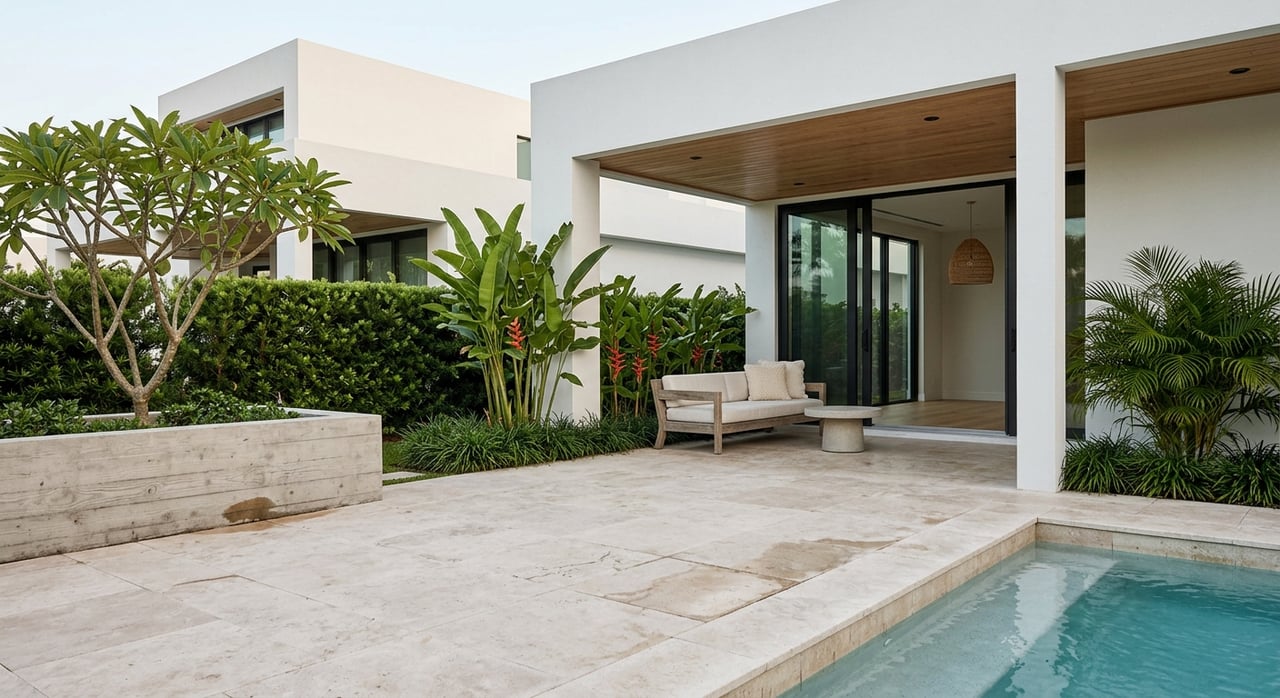
How to Sell a Kahala Kua Home With Compass-Level Marketing
June 25, 2026
June 25, 2026
If you are preparing to sell a home in Kahala Kua, you are entering a market where polish, timing, and strategy matter more than ever. Buyers still respond to quality, but they are also comparing more options and watching value closely. The good news is that with the right prep and a disciplined launch plan, you can remove friction, build confidence, and make a stronger first impression. Let’s dive in.
Kahala Kua is not a market where you want to improvise. The community has an owner portal and access to association documents and forms, so one of the first steps is gathering HOA materials, rules, fees, and any current notices before your home hits the market.
That early organization helps you answer buyer questions quickly and keeps your sale moving with fewer surprises. In a luxury coastal setting, buyers often expect both strong presentation and clear documentation. When you are ready on both fronts, your home can feel more credible from day one.
Recent Oahu market data shows a more balanced environment than the fast-moving years many sellers remember. In 2025, single-family sales rose 3.5% year over year, the median sales price reached $1,139,000, median days on market was 23, and average active inventory stayed above 2024 levels by 15.7%.
Early 2026 data showed the same theme with a little more nuance. In January 2026, single-family homes moved at a median of 27 days on market, while in May 2026 that improved to 13 days, and 35% of single-family sales closed above the original asking price. That tells you demand is still there, but buyers are more selective and more aware of competing listings.
For a Kahala Kua seller, the takeaway is simple. You cannot rely on location or prestige alone. Your pricing, condition, and marketing launch need to reflect what buyers are seeing in the immediate comp set right now.
Not every repair deserves your time or money before listing. In Kahala Kua, the most important work is usually the work buyers notice right away or the issues that create doubts about upkeep.
Hawaii’s coastal climate can speed up wear on a home. High humidity, salt-laden air, and strong sun exposure can affect paint, roof edges, railings, window trim, gates, hardware, and drainage. If these items look tired, buyers may assume larger deferred maintenance is waiting behind the scenes.
A smart pre-listing review often focuses on visible condition first. That may include:
In most cases, you do not need a full remodel to improve marketability. Clean lines, brighter rooms, and a sense of care often do more for buyer confidence than expensive upgrades with uncertain return.
In Hawaii, moisture control and termite prevention are not minor details. They are core parts of preparing a home for sale.
CTAHR identifies the Formosan subterranean termite as the single most damaging insect pest to homes and structures in the state. Its prevention guidance emphasizes reducing moisture sources, avoiding wood-to-soil contact, and scheduling regular inspections.
For sellers, that makes a pre-listing pest check a practical step, not just a box to check. If treatment is needed, handling it before buyers raise concerns can reduce negotiation pressure later.
Moisture issues deserve the same attention. Check for water intrusion, staining, musty odors, drainage problems, and areas where exterior wear may allow moisture to linger. Even small visible issues can affect how buyers view the entire property.
A smooth sale often starts with a well-organized seller file. Hawaii law requires a seller’s disclosure statement to be signed and dated within six months before or ten calendar days after acceptance of the purchase contract and delivered to the buyer.
The law also defines a material fact broadly as any fact, defect, or condition that would be expected to measurably affect value to a reasonable person. Just as important, the disclosure statement is not a substitute for expert inspection, professional advice, or warranty.
That is why it helps to gather supporting records early. Useful documents often include:
If a later-discovered issue directly, substantially, and adversely affects value, Hawaii law requires an amended disclosure within ten calendar days after discovery. When your records are organized from the start, it is easier to track updates and respond accurately if repairs or permit work are still in process.
Strong marketing is not just about posting photos when the house is ready. In a market like Kahala Kua, marketing should shape the prep plan itself.
Compass Concierge is designed to front the cost of approved home-improvement services with zero due until closing. Compass says the program is intended to help sellers sell faster and for a higher price, while the agent helps identify the work that may offer the strongest return and coordinate vendors through completion.
That can be especially helpful when your list includes staging, painting, deep cleaning, landscaping, pest control, moving, storage, or floor repair. Instead of treating prep as a separate headache, you can approach it as part of a coordinated launch strategy.
One of the biggest mistakes sellers make is going public before the home is truly ready. In a digital-first market, your first impression often happens online, and it is hard to undo a weak launch.
Compass uses a three-phase launch model that can start with a Private Exclusive, then move to Coming Soon, and finally go live on the MLS and third-party sites once the home is fully prepared. That sequence can be useful when repairs, staging, or final photography are still underway.
Compass says Private Exclusives are accessible to 340,000 agents across its brokerage network and their serious buyers. For a high-end Kahala Kua home, that can create early demand and provide pricing insight without building public days on market or a visible price-drop history.
In practical terms, this kind of rollout gives you room to be more intentional. You can refine the story, test positioning, and launch broadly only when the home is showing at its best.
Kahala is a prestigious area, but pricing still needs to match the moment. March 2026 data showed that single-family sales above $1,000,000 increased year over year, which confirms demand at higher price points. Still, that does not mean every luxury listing can stretch beyond current comparable sales.
Today’s buyers are more inventory-aware and more resource-conscious. They are comparing condition, lot, layout, updates, and overall value very carefully.
This is where a finance-driven pricing approach matters. The goal is not just to choose an aspirational number. It is to position your home within the immediate submarket so it enters the market competitively, supports buyer confidence, and gives your marketing the best chance to create momentum.
If you want a simple way to think about your next steps, start here:
When you prepare a Kahala Kua home well, you are doing more than making it look attractive. You are reducing buyer hesitation, making disclosures easier to manage, and creating a cleaner path from first showing to closing.
That is where Compass-level marketing can make a real difference. With the right improvements, a strategic rollout, and pricing grounded in current market behavior, your sale can begin with more clarity and stronger momentum.
If you are thinking about selling in Kahala Kua and want a plan tailored to your home, connect with Marisa Norfleet for a thoughtful, data-driven approach to pricing, preparation, and launch.
Stay up to date on the latest real estate trends.
For personalized assistance with your real estate needs, reach out to Marisa directly. With her deep knowledge of the market and commitment to client satisfaction, she is poised to provide you with the utmost support in navigating your real estate journey.