Living in Kaimuki Honolulu: Cafes, Parks & Classic Homes
June 4, 2026
June 4, 2026
If you want a Honolulu neighborhood that feels lived-in, local, and easy to enjoy day to day, Kaimuki tends to stand out fast. You are not just choosing a place on a map here. You are choosing a rhythm that blends coffee runs, quick park stops, older homes with personality, and a walkable commercial core that still feels very residential. This guide will help you understand what everyday living in Kaimuki actually looks like, and why so many buyers see it as a practical middle ground in town. Let’s dive in.
Kaimuki sits on the Koko Head side of downtown Honolulu and is widely recognized as one of Honolulu’s older residential neighborhoods. That history still shows up in the streetscape today. Instead of feeling resort-driven, the area feels compact, established, and shaped by daily local use.
The neighborhood’s layout helps explain that experience. City planning describes Kaimuki as part of Honolulu’s older single-family fabric, while Waialae Avenue functions as an older street-oriented business district. In simple terms, that means homes, apartments, shops, and errands tend to feel closely connected.
Waialae Avenue is the commercial spine of Kaimuki and a big reason the neighborhood feels so convenient. The city’s Complete Streets framework uses Waialae Avenue as a Main Street example, noting that these streets are designed with people on foot in mind and prioritize bike lanes.
That planning shows up in everyday life. You can move through a stretch of independent cafes, restaurants, and neighborhood businesses without the feel of a large commercial district. It creates the kind of routine many buyers want when they picture in-town living with character.
If your ideal morning starts with a short coffee stop, Kaimuki delivers variety in a small area. Local coverage highlights Coffee Talk, Plantoem, The Curb, and Bean About Town as part of the neighborhood’s coffee scene.
That mix gives the area a steady, casual energy. Rather than one large destination, you get a cluster of familiar neighborhood spots that support a regular routine.
Beyond coffee, Kaimuki offers a dense collection of nearby dining and grab-and-go options. Local reporting points to places such as St. Louis Drive In, 3660 On The Rise, Miro Kaimuki, Pipeline Bakeshop, Tamura’s, and Via Gelato within a few blocks of the core.
For many residents, that means you can keep daily plans flexible. A quick meal, takeout, dessert stop, or small errand can often fit naturally into the day without a long drive across town.
Kaimuki’s core feels walkable, but it comes with the trade-offs you might expect in an older Honolulu neighborhood. City planning notes that many older buildings in Kaimuki sit close to the sidewalk and often do not have enough off-street parking.
That older street wall is part of the neighborhood’s charm, but it also means parking can be a point of friction. If you are thinking about living in Kaimuki, it helps to value convenience on foot while staying realistic about lot sizes and parking conditions.
One of the easiest ways to understand Kaimuki is to look at what people do on a Saturday morning. The KCC Farmers’ Market at Kapiolani Community College runs Saturdays from 7:30 to 11:00 a.m. and is often treated as part of the neighborhood routine.
For buyers who want a neighborhood with built-in habits, that matters. Produce, breakfast, and local makers all add to the sense that Kaimuki supports a lifestyle, not just an address.
Kaimuki is not defined by one giant signature park. Its recreation pattern is more neighborhood-scale, which can be a plus if you value smaller, easy-to-reach outdoor spaces woven into daily life.
City records list Kaimuki Community Park on Waialae Avenue and Maunalani Playground on Sierra Drive. City event records also show Petrie Community Park on 20th Avenue being used for neighborhood gatherings, including a Kaimuki block party.
These spaces support the kind of outdoor time that fits into a normal week. You may not be planning a full-day outing, but you can easily picture a quick playground stop, time outside, or a casual neighborhood meetup.
That practical outdoor access is part of Kaimuki’s appeal. It supports daily living in a simple, usable way rather than relying on a single major destination.
The Kaimukī Public Library also plays an important role in neighborhood life. It is open six days a week, open on Sundays, and hosts regular community programming.
For many buyers, places like this help define whether a neighborhood feels grounded. In Kaimuki, the library adds another layer of everyday convenience and local connection.
If you like easy outdoor access, Kaimuki offers both quick viewpoints and faster access to trailheads mauka. Puʻu O Kaimuki Mini Park, also known as Kaimuki Hill, provides a low-effort lookout with neighborhood and Diamond Head views.
The area’s mauka edge also connects you more easily to hikes that are part of the broader neighborhood orbit, including Kaʻau Crater, Waʻahila Ridge, and Lanipo. That gives Kaimuki a nice balance between in-town convenience and outdoor access.
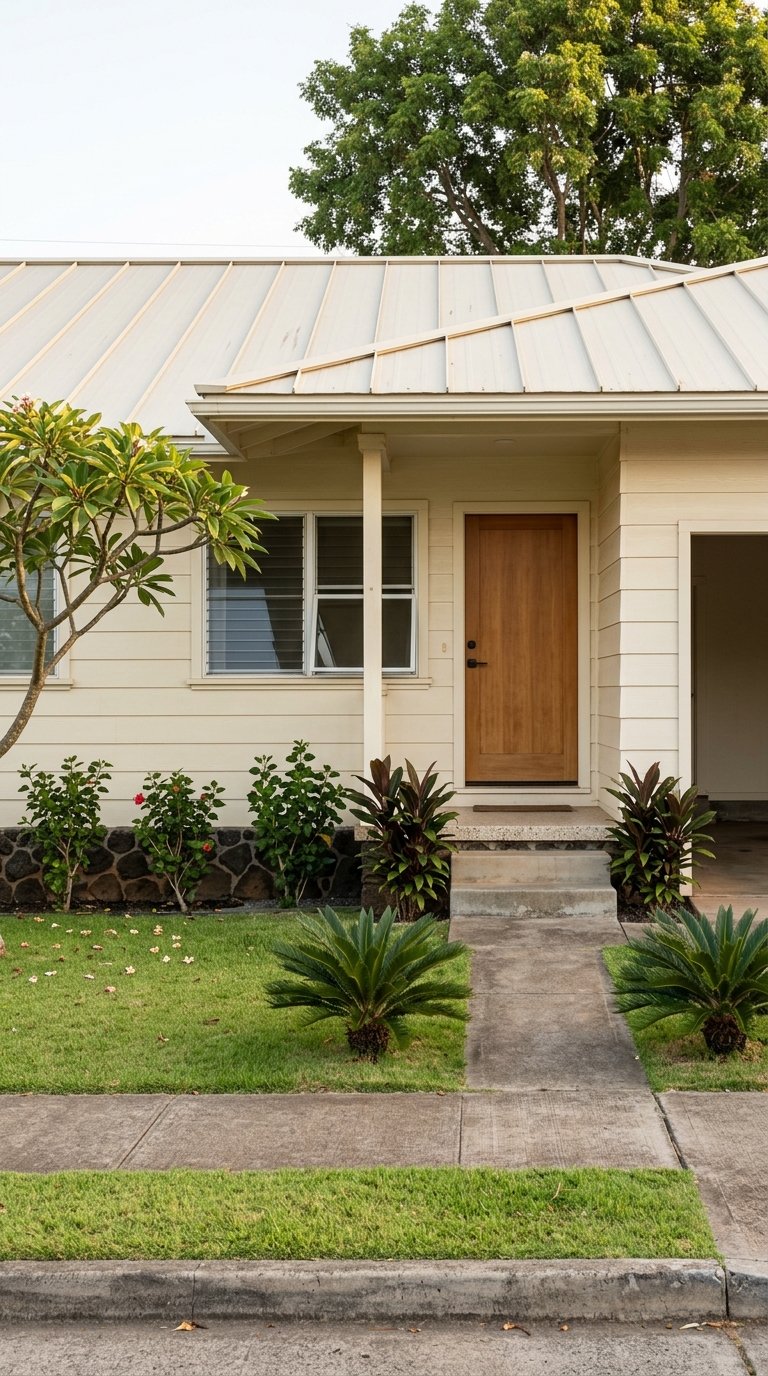
Kaimuki’s housing stock is one of the biggest reasons the neighborhood feels distinct. This is not a one-style area. Instead, it offers a layered mix of classic homes, older low-rise apartment buildings, and scattered infill.
Historic Hawai‘i Foundation describes Kaimuki as a classic early-20th-century neighborhood that started as a streetcar-era suburb with early lots and bungalows. Over time, that housing base expanded to include boxier postwar homes and newer rebuilds.
If you are searching in Kaimuki, it helps to expect variety from block to block. You may see older single-family homes, pre-1969 walk-up apartments, and newer replacement homes in the same general area.
That variety is part of what many buyers find appealing. It creates a more layered neighborhood feel than areas dominated by either high-rise towers or newer subdivisions.
The numbers support Kaimuki’s reputation as an in-between neighborhood. In the 2020 census, Kaimuki had 7,384 housing units and a homeownership rate of 61.9%.
Compared with nearby areas, that places it in a middle position. Waialae-Kahala had a higher owner-occupancy rate at 76.4%, while Diamond Head/Kapahulu was at 50.2% and McCully-Moiliili at 30.4%.
Taken together, those figures suggest Kaimuki often works well for buyers who want more of a house-forward, established neighborhood feel without moving fully into a more suburban east-side pattern. It can also appeal to buyers who want to stay away from a high-rise environment while keeping everyday convenience close.
In practical terms, Kaimuki works because so many small pieces fit together. You have a commercial corridor that supports coffee, meals, and errands. You have neighborhood parks and a library that help anchor day-to-day living. And you have housing with more architectural personality than many purely newer areas.
The neighborhood’s population profile also reinforces its lived-in feel. From 2018 to 2022, Kaimuki had 19,656 residents, 6,485 households, and an average household size of 2.97.
That does not tell you everything about a place, but it does support the idea that Kaimuki is a substantial residential neighborhood with a stable everyday rhythm. For many buyers, that is exactly the appeal.
Kaimuki can be a strong fit if you want a neighborhood that balances convenience and character. It is especially appealing if you like older homes, low-rise surroundings, and the ability to fold coffee stops, local dining, and small outdoor spaces into your normal routine.
It may also suit you if you are comparing neighborhoods and want something between denser urban districts and more owner-heavy east-side areas. Kaimuki’s appeal often comes from that middle ground.
If you are considering a move, the details matter. In a neighborhood with mixed housing styles, older lots, and varying parking setups, it helps to evaluate each property in the context of the specific block and your day-to-day priorities.
Whether you are buying, selling, relocating, or exploring rental options in Honolulu, Marisa Norfleet can help you make sense of neighborhoods like Kaimuki with clear guidance, local insight, and responsive support.
Stay up to date on the latest real estate trends.


For personalized assistance with your real estate needs, reach out to Marisa directly. With her deep knowledge of the market and commitment to client satisfaction, she is poised to provide you with the utmost support in navigating your real estate journey.