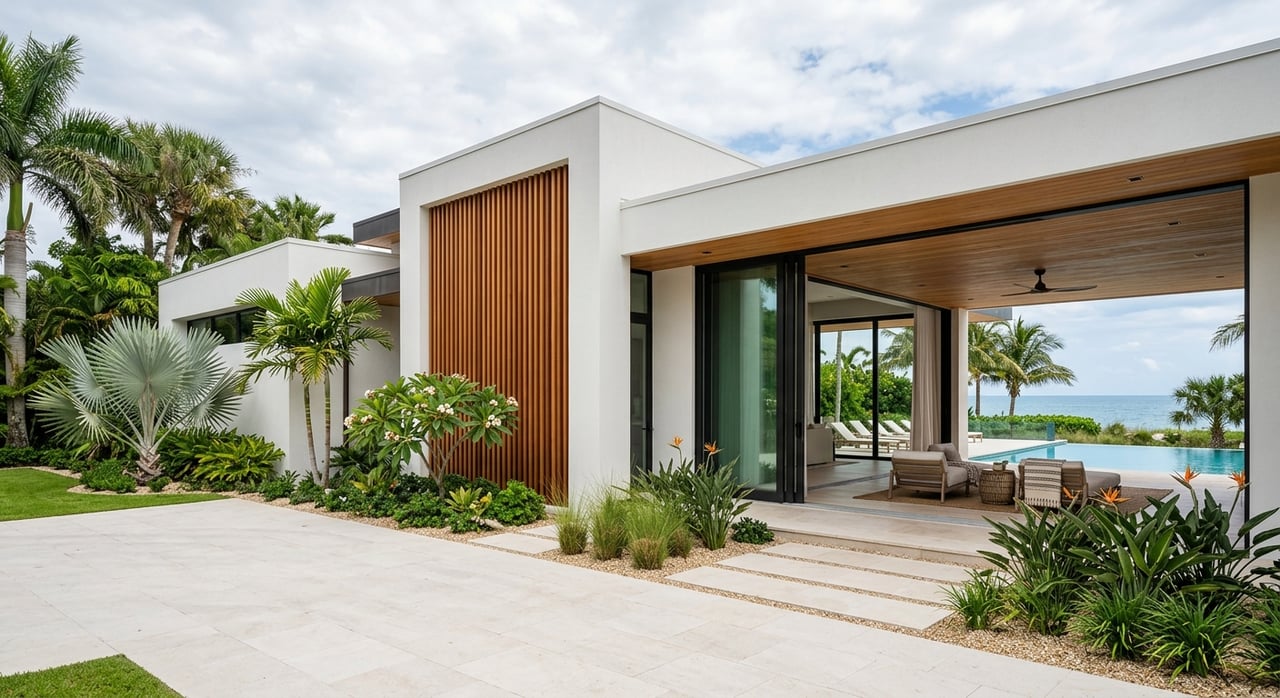
East Honolulu Real Estate Guide for Your Next Move
May 28, 2026
May 28, 2026
Thinking about East Honolulu for your next move? It is easy to see the appeal. You get a well-established East Oahu setting, strong access to outdoor recreation, and a housing mix that ranges from condos to high-end single-family homes. At the same time, this is one of Oahu’s more expensive areas, so the right fit depends on your budget, commute, and lifestyle priorities. Let’s dive in.
East Honolulu is a relatively small residential area with about 51,360 residents and 17,889 households, according to the U.S. Census Bureau’s 2024 ACS-based QuickFacts. Households average 2.85 people, and 84.5% of housing units are owner-occupied. That points to an area where many people own rather than rent.
The data also suggests a stable day-to-day environment. About 91.1% of residents lived in the same house one year earlier, which indicates lower turnover than you might expect in a more transient market. For you as a buyer or renter, that can translate to a more established residential feel.
East Honolulu is also diverse. The Census reports that 20.5% of residents speak a language other than English at home, and 16.1% of residents are foreign-born. That mix adds to the area’s broad community character without reducing it to a single lifestyle profile.
If you are comparing neighborhoods across Oahu, price will likely be one of the biggest factors in your decision. East Honolulu sits in a premium tier of the market.
As of March 2026, Realtor.com reports 196 homes for sale, 64 rentals, a median listing price of $1,491,500, a median rental price of $4,500, and a median of 50 days on market. The market is classified as balanced, with a sales-to-list price ratio of 97%.
Redfin’s March 2026 data tells a similar story, showing a median sale price of $1.5 million, down 2.5% year over year. That small annual shift does not change the broader takeaway: East Honolulu remains one of the higher-priced areas on the island.
For context, Realtor.com shows Oahu’s median listing price at $670,000, with a median of 70 days on market. In simple terms, East Honolulu is far above the island-wide median. If you are starting your search with affordability as your top priority, this may not be the first place to focus.
One of the biggest mistakes buyers make is treating East Honolulu like a single price point. It is not. The area includes several micro-markets with very different housing types and price ranges.
Realtor.com neighborhood-level data shows median listing prices such as Hawaii Kai at $1,050,000, The Peninsula at Hawaii Kai at $832,000, Kalama Valley at $1,495,000, Koko Head Terrace at $1,535,000, Aina Haina at $1,999,999, Kalani Iki at $1,949,000, Kuliouou-Kalani Iki at $2,450,000, and Hawaii Loa Ridge at $3,834,444. That is a wide spread.
This price range matters because it gives you options within East Honolulu, but only if you look carefully at each submarket. Some areas are more condo-oriented, while others lean heavily toward single-family homes. Your budget, desired maintenance level, and space needs will shape which pocket makes sense.
East Honolulu is not a one-product market. Realtor.com has a dedicated condo page for The Peninsula at Hawaii Kai and a dedicated single-family page for Hawaii Loa Ridge, which helps confirm the area supports multiple home types.
That flexibility can be a real advantage if your needs are changing. You might be looking for a lower-maintenance condo, a primary residence with more room, or a coastal property that lines up with a long-term lifestyle move. East Honolulu offers enough variety that you do not have to assume every option looks the same.
For many buyers, this is where local guidance matters most. A neighborhood that looks close on the map may feel very different in price, layout, and housing stock once you get into the details.
Lifestyle is a big reason people consider East Honolulu, but your daily routine still matters. The area is part of Oahu’s primary urban transit corridor, and TheBus serves the corridor from Pearl City to East Honolulu. However, the current Skyline rail line runs from East Kapolei to the Kalihi Transit Center, with later phases planned to continue farther east.
In practical terms, East Honolulu functions more as a bus-and-car-first area today than a rail-first one. If you want rail access as a major part of your commute plan, that is an important limitation to keep in mind.
Commute times reflect that tradeoff. Census Reporter data shows a mean travel time to work of 30.9 minutes in East Honolulu, compared with 26.7 minutes for the Urban Honolulu metro area. That does not make the commute unworkable, but it does mean you should weigh convenience against the setting you want.
For many buyers, East Honolulu is less about shaving minutes off a commute and more about living closer to the parts of Oahu they enjoy most. The area offers strong access to outdoor destinations that shape daily life in a meaningful way.
The Hawaii Department of Land and Natural Resources places Hanauma Bay near Koko Head at the eastern end of Honolulu. The Kaiwi State Scenic Shoreline includes the Makapuʻu lighthouse lookout trail. If beach access and hiking are important to you, East Honolulu has clear appeal.
That does not mean every buyer should choose it. It means East Honolulu tends to make the most sense when your priorities are lifestyle-first rather than price-first.
East Honolulu can be a strong fit if you are comfortable buying above Oahu’s median price level and want an established coastal residential setting. The area combines high owner occupancy, a broad range of home types, and outdoor access that many buyers specifically seek out.
It may be especially appealing if you are relocating from the Mainland and want a neighborhood that feels more residential and settled. The owner-occupied rate of 84.5% and same-house-one-year-ago rate of 91.1% support that impression. If consistency and long-term neighborhood feel matter to you, those numbers are worth noting.
It can also work well if you are moving up within Oahu and want to compare condo living, single-family options, and higher-end East Oahu neighborhoods in one search area. Because the pricing varies so much by pocket, East Honolulu gives you more than one path into the market.
East Honolulu may be a weaker fit if your budget is closer to Oahu’s broader median listing price of $670,000. In that case, other parts of the island may offer more room to choose without stretching your monthly costs.
It may also be less practical if you need a rail-oriented commute. Right now, East Honolulu is not centered around Skyline access, so most households are still relying on roads and bus service.
If your search is driven mostly by monthly affordability, the area’s cost profile is hard to ignore. The Census reports median selected monthly owner costs with a mortgage of $3,765, median gross rent of $3,313, and Realtor.com’s current median asking rent is $4,500. Those are different measures, but together they reinforce the same point: East Honolulu is expensive to own or rent.
If you are seriously considering East Honolulu, try to evaluate it through three practical filters.
Look beyond the purchase price and think about your monthly comfort level. East Honolulu can support a range of price points, but the area as a whole still trends premium.
Focus on specific pockets instead of lumping the whole area together. Hawaii Kai, Aina Haina, Kuliouou-Kalani Iki, Kalama Valley, and Hawaii Loa Ridge each tell a different story.
Think honestly about how you want to spend your time. If outdoor access and a coastal setting rank high, East Honolulu may feel worth the commute tradeoff.
East Honolulu is not the right fit for everyone, and that is exactly why it is worth evaluating carefully. It tends to work best for buyers who want a premium East Oahu lifestyle, can comfortably handle higher housing costs, and do not mind a road-based commute.
If that sounds like you, East Honolulu can offer a compelling mix of residential stability, housing variety, and access to some of Oahu’s best-known outdoor settings. If your top priorities are lower price or rail access, you may want to compare other parts of the island before making a decision.
The key is not just asking whether East Honolulu is desirable. It is asking whether it fits your numbers, your routine, and your version of home. If you want help comparing East Honolulu micro-markets, planning a relocation, or narrowing down the right neighborhood for your goals, connect with Marisa Norfleet.
Stay up to date on the latest real estate trends.
For personalized assistance with your real estate needs, reach out to Marisa directly. With her deep knowledge of the market and commitment to client satisfaction, she is poised to provide you with the utmost support in navigating your real estate journey.