What to Know About Tantalus Honolulu Rainforest Homes
April 23, 2026
April 23, 2026
Wondering if buying in Tantalus is all about the views? The scenery is a big part of the appeal, but hillside living comes with a different set of questions than you might ask in flatter parts of Honolulu. If you are considering a home here, understanding roads, utilities, and rainfall can help you make a more confident decision before you close. Let’s dive in.
Tantalus sits on steep upland terrain rather than flat urban lots, which is a major reason the area feels private, green, and tucked away from denser parts of town. The USDA soil profile for the Tantalus series notes slopes ranging from 8% to 70% and mean annual rainfall of about 100 inches.
That landscape creates a mountain-neighborhood feel that many buyers love. It can also mean more day-to-day attention to runoff, drainage paths, exterior wear, and slope-related maintenance than you might expect in a more level neighborhood.
In Honolulu, weather can change quickly from one area to another, especially with elevation. According to the same USDA Tantalus soil information, this upland setting is well drained but also exposed to substantial rainfall.
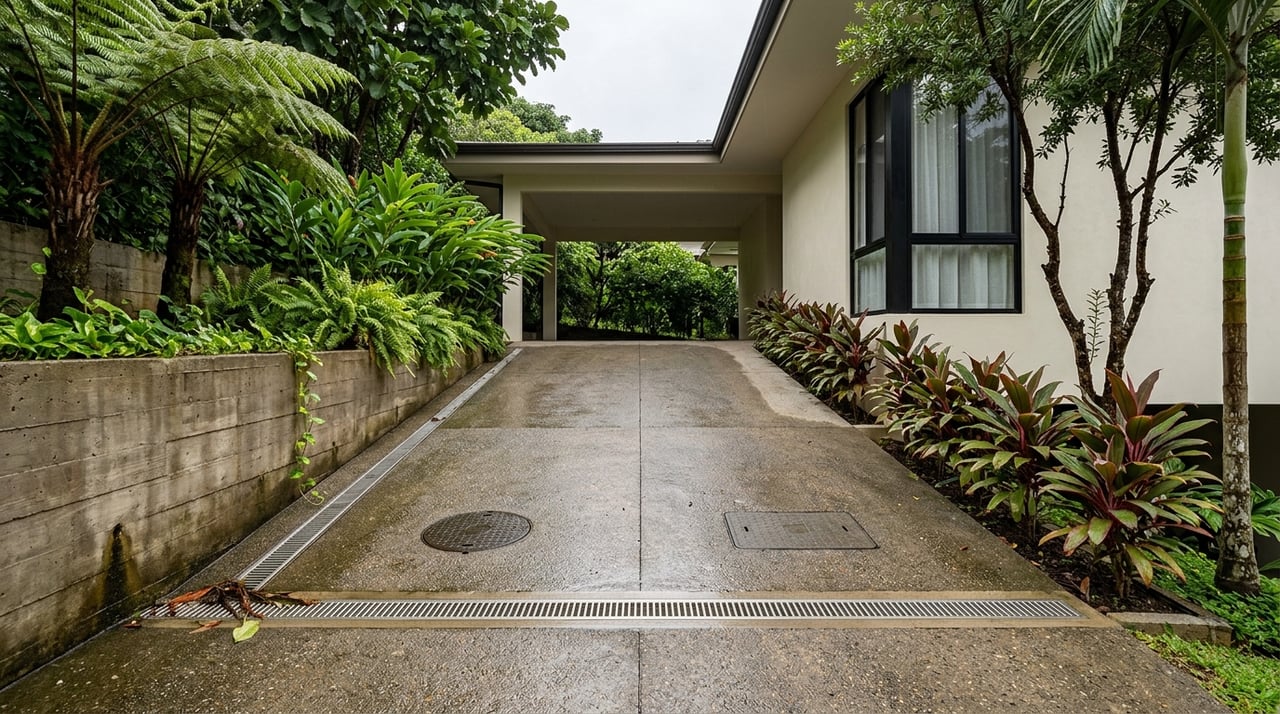
For you as a buyer, that usually means water management deserves serious attention during due diligence. Roofs, gutters, downspouts, retaining walls, and yard drainage are not minor details in Tantalus. They are part of how a property performs over time.
One of the biggest buyer mistakes in hillside areas is assuming the address tells the whole story. In Tantalus, the actual route to the property matters just as much as the home itself.
The city has treated Tantalus Drive as a significant historic road, and a city environmental review of roadway repair work documented crib-wall repair, drainage improvements, erosion control work, and a closure that was expected to last about five months. That is a practical reminder that road work on the ridge can be complex and time-consuming.
A City and County of Honolulu planning document also records a temporary 2024 closure in the 3800 to 3900 block of Tantalus Drive after debris and hazardous trees were addressed. While closures are not constant, they are relevant enough that buyers should ask direct questions about access.
Before you move forward, it helps to confirm:
In some cases, nearby access can be especially narrow. A 2003 city notice regarding Kala‘i‘opua Place described an 8- to 10-foot-wide asphalt road on a steep slope serving seven residential properties. That does not define every Tantalus property, but it does show why parcel-specific access review matters.
Because the Tantalus soil series has medium-to-rapid runoff and moderately rapid permeability, water can move quickly downslope. In practical terms, that means you should pay close attention to how a home handles rainwater.
Look carefully at the condition and placement of:
The City and County of Honolulu grading and stormwater rules become relevant here because grading permits may be required when work exceeds certain thresholds, including larger earth movement, cut or fill over 3 feet, or changes to drainage patterns. The city also requires stormwater best management practices to keep runoff on site.
That matters if you plan to improve a property after purchase. Even a project that looks straightforward on paper may need more review when slope and drainage are involved.
Utilities can feel routine when you buy in a more typical urban setting. In Tantalus, it is smart to think more specifically about service adequacy.
The Honolulu Board of Water Supply water master plan summary explains that Oahu’s municipal water system relies on groundwater, reservoirs, booster pumps, pipelines, and wells. It also notes that customer charges are based on meter size and that the agency bills sewer charges for the City Department of Environmental Services.
For you, the practical takeaway is simple: ask how the specific property is served. On a hillside parcel, it is worth confirming water pressure, meter size, service history, and whether any site equipment or special setup affects day-to-day use because of elevation.
Wastewater is one of the most important items to verify before you treat a Tantalus purchase as turnkey. Some homes may be on public sewer, while others may rely on an individual wastewater system.
The Hawaii Department of Health wastewater program states that cesspools in Hawaii must be upgraded or converted by January 1, 2050, and certain building modifications or nuisance conditions can trigger earlier conversion. The DOH also notes through its e-permitting system information that a licensed engineer must submit an individual wastewater system application, and the agency can identify what system is on a property using the TMK.
If the home is on public sewer, ask for recent bills and any available service records. If the home has septic or a cesspool, expect more documentation, more review, and the possibility of future upgrade costs.
Slope and access already make some hillside properties more complicated to improve. When you add wastewater review to the mix, timing and cost can become a bigger part of the purchase decision.
That does not mean you should avoid the neighborhood. It means you should verify the system type, age, maintenance history, and any future compliance considerations before closing.
A standard inspection is important anywhere, but Tantalus buyers benefit from being extra focused. The goal is to understand not just the house, but how the site behaves in a rainy, sloped environment.
Tantalus can be a great fit if you value privacy, greenery, elevation, and a setting that feels distinct from flatter parts of Honolulu. For many buyers, that combination is exactly the draw.
The key is going in with clear eyes. This is a neighborhood where beauty and logistics go together, and the strongest purchases usually happen when you verify access, drainage, and utilities early in the process.
If you are thinking about buying in Tantalus and want help evaluating the practical side of a hillside property, Marisa Norfleet offers responsive, detail-focused guidance for buyers across Honolulu.
Stay up to date on the latest real estate trends.


For personalized assistance with your real estate needs, reach out to Marisa directly. With her deep knowledge of the market and commitment to client satisfaction, she is poised to provide you with the utmost support in navigating your real estate journey.