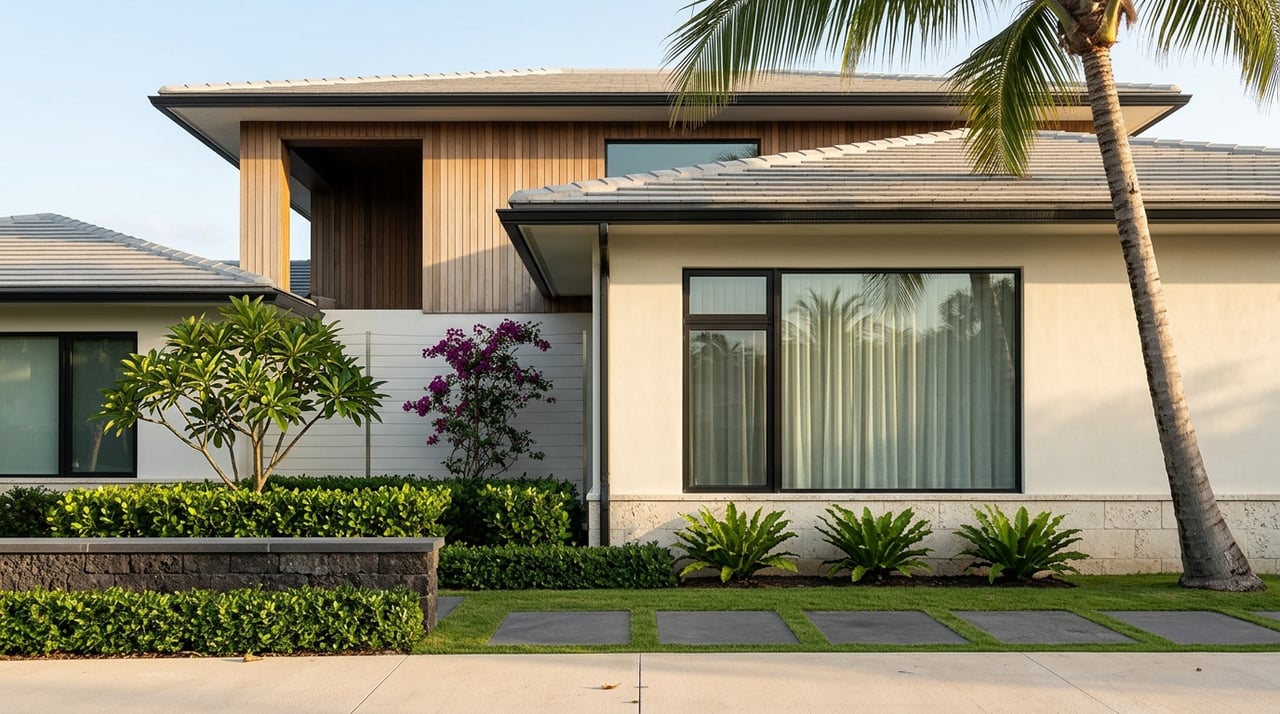
Understanding Diamond Head Black Point Home Design Rules
April 2, 2026
April 2, 2026
Thinking about renovating or buying near Diamond Head or Black Point? The design rules here are not just about looks. They are about protecting views, shoreline conditions, and the overall character of one of Honolulu’s most recognized coastal areas. If you want to understand what can shape a home project, this guide will help you see the main layers that matter before you make plans or write an offer. Let’s dive in.
Diamond Head and nearby coastal streets are shaped by a layered rule system, not one simple design standard. Honolulu’s special-district framework exists to guide development in places where preservation matters, and the Diamond Head district specifically aims to protect the crater’s natural appearance and public views because of their broad significance. It also calls for preserving the park-like character of the immediate slopes, including Kapiolani Park, according to the Honolulu special district code.
That means a home can be affected by more than basic zoning. Depending on the lot, your property may also be shaped by shoreline setback rules, Special Management Area review, or historic-property considerations. In practice, the answer often depends on exactly where the parcel sits and what kind of work you want to do.
One of the biggest goals of the Diamond Head special district is to protect public views. These protected viewpoints are not limited to a few famous overlooks. The code identifies public streets and places such as Ala Wai Boulevard, Paki Avenue, Diamond Head Road, Kalakaua Avenue, Monsarrat Avenue, Kapiolani Park, the Honolulu Zoo, the Ala Wai Golf Course, and beaches from Ala Wai Yacht Harbor to Sans Souci Beach.
For you as a buyer or homeowner, this matters because a project may be reviewed in light of how it affects those view corridors. A home does not need to sit on the crater itself to be part of that conversation. Public-facing visual impact is a key part of the district’s purpose.
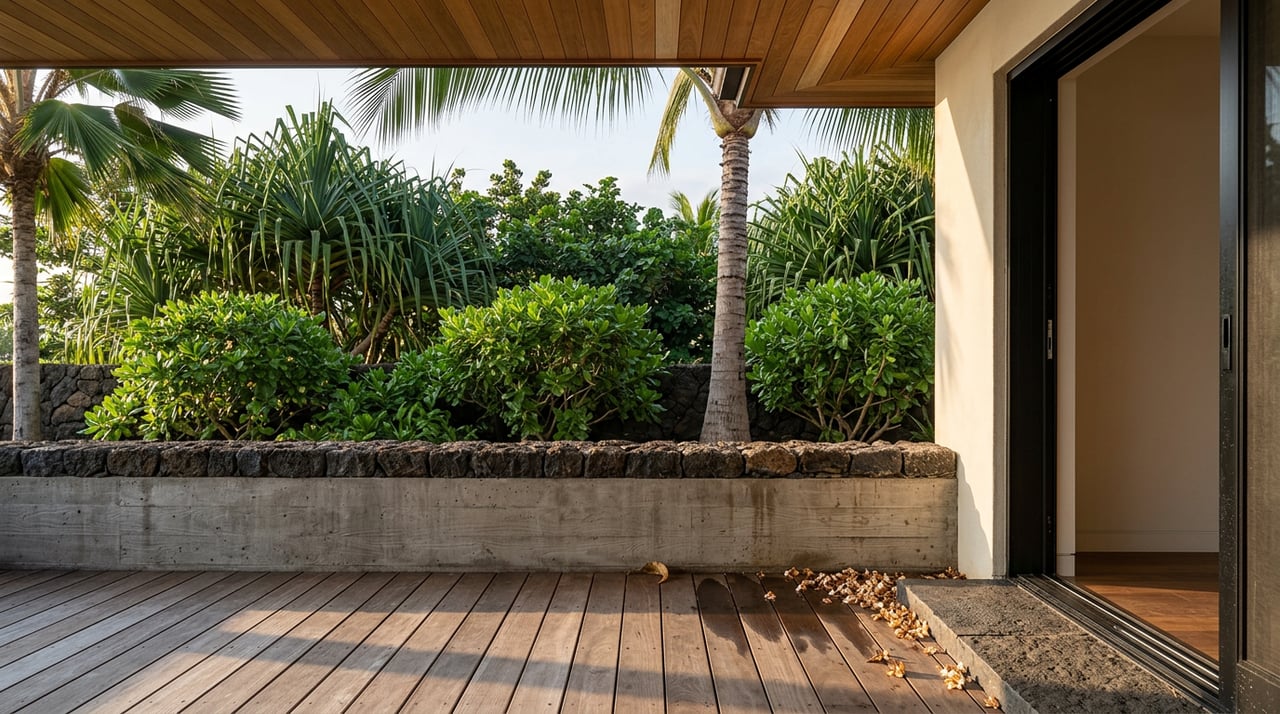
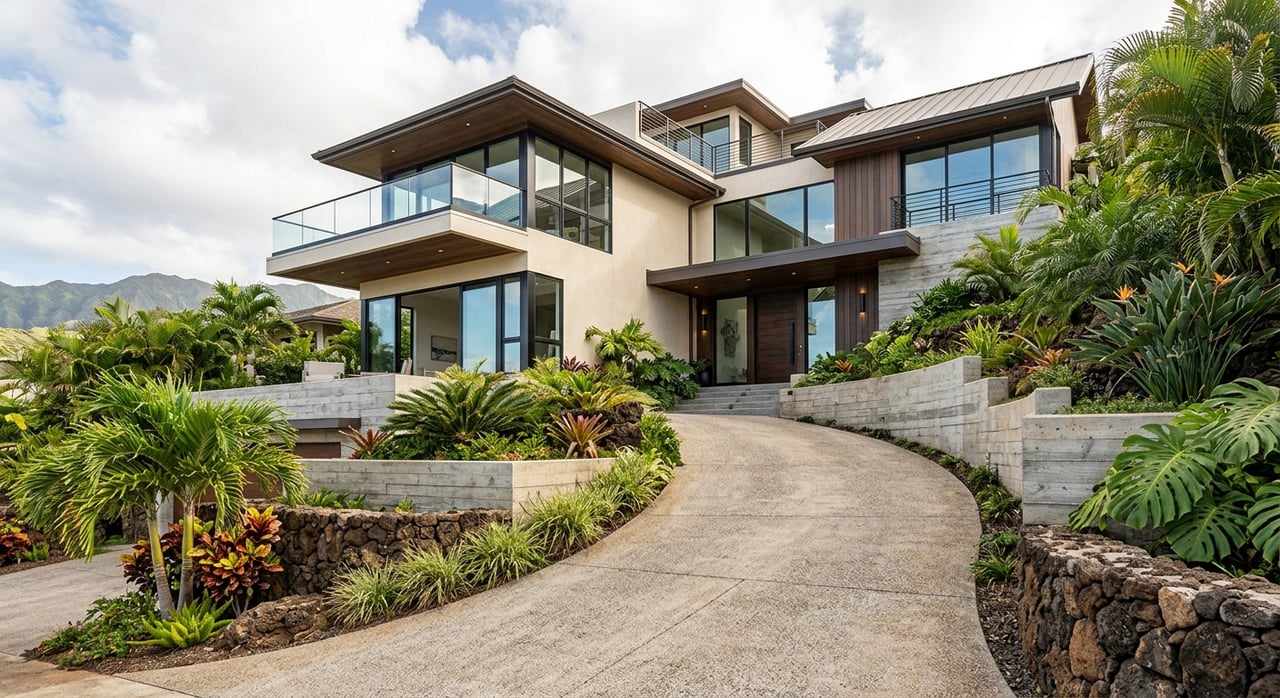
The district does not require one official architectural style. Instead, it steers development toward lower visual impact through landscaping, height controls, and appearance standards. Under the district regulations, required yards must be landscaped, street trees are required, and certain taller walls or fences in the core area must be set back from the street and planted on the street side.
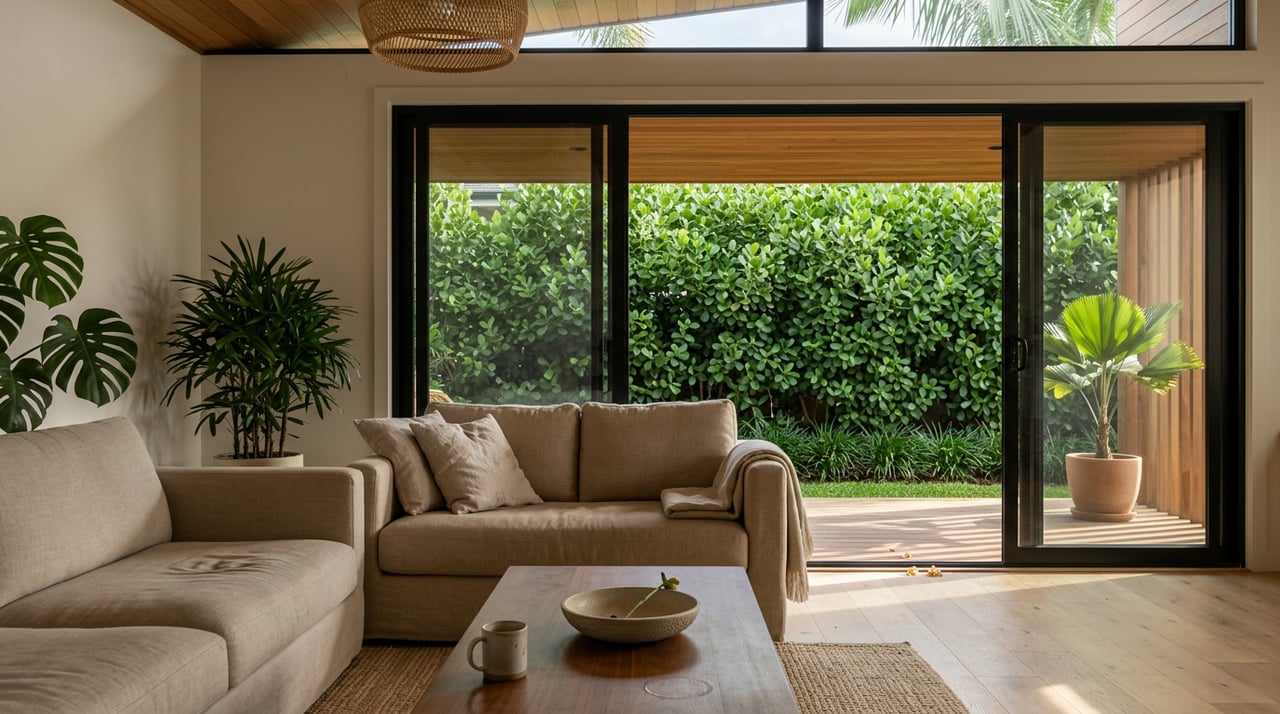
The same rules also encourage a softer visual palette. Tree preservation and replacement rules apply in the core area, parking structures are expected to be screened with vertical planting, and exterior materials and colors should be nonreflective and subdued. That is one reason many homes in the area feel visually restrained even when they are substantial properties.
Height in the district is controlled by precincts shown on Exhibit 21-9.5 of the code. The director can allow exceptions only in limited cases, such as when protected views are not substantially diminished or when a public objective supports the added height. Even then, the exception cannot exceed the underlying zoning height, based on the same district standards.
Mechanical and rooftop features can sometimes be exempt, but only if they are necessary, screened, and no more than 12 feet above the maximum height limit. So if you are comparing homes or planning a rebuild, rooftop features are not automatically a free pass. Screening and placement still matter.
For one-family, two-family, and duplex homes, the district can be more flexible than many buyers expect. These dwellings are generally exempt unless they are located in the core area, where they still must comply with landscaping and appearance rules. Even exempt projects still have to conform to district objectives at the building-permit stage under the Diamond Head special district exemption section.
That distinction is important. Exempt does not always mean unrestricted. It usually means the review path may be simpler, while the project still needs to fit the broader objectives of the district.
If you are evaluating a renovation or custom build opportunity, one of the first questions is whether the property sits in the special-district core area. That can affect which landscaping and appearance rules apply, how fencing is treated, and how closely visual details are reviewed.
For buyers, this is one of those details that can change the practical value of a lot. A parcel that looks straightforward on a map may carry more design constraints than expected once the exact district layer is confirmed.
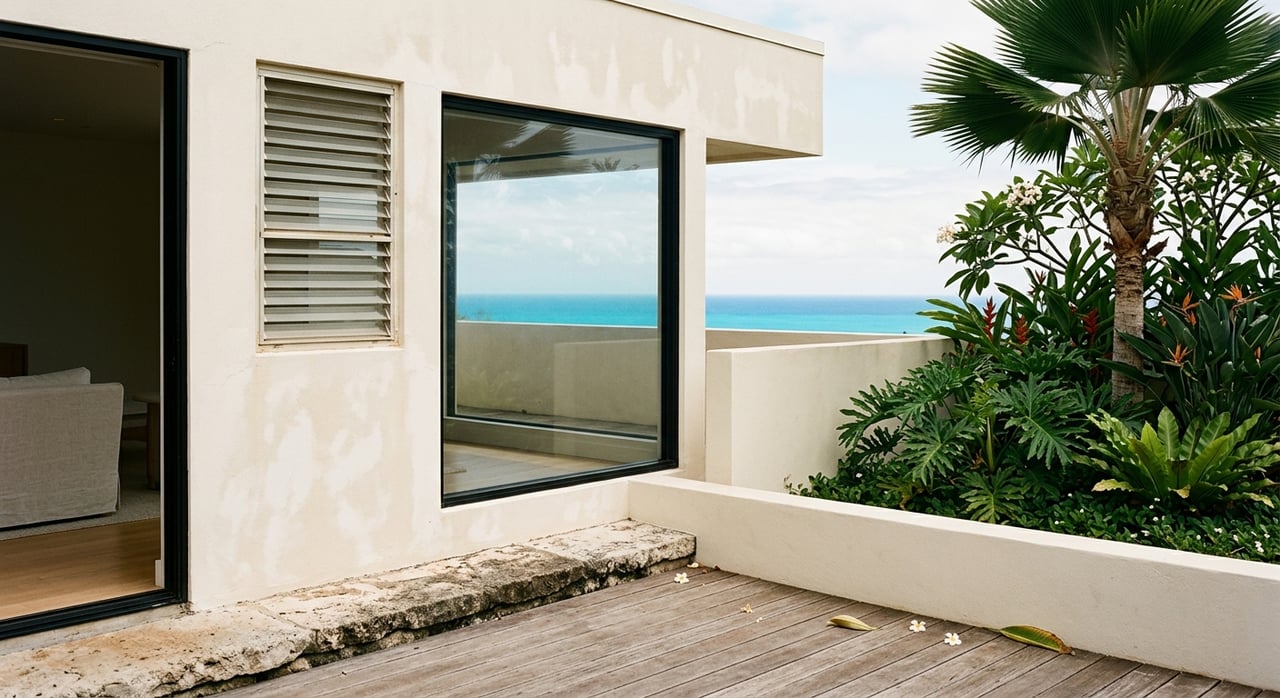
At Black Point and other ocean-facing areas, coastal regulation is often just as important as design review. Honolulu’s shoreline setback rules are intended to prevent development that could harm beach processes, public access along the shoreline, or shoreline open space. After July 1, 2024, the default shoreline setback line is generally 60 feet mauka of the certified shoreline, with an erosion-rate formula that can push the setback farther in many places under the shoreline setback code.
This is a major reason some homes sit farther back than you might assume from the lot lines alone. It can also affect what kind of addition, pool, or outdoor improvement is realistic near the water. On coastal parcels, the buildable area may be defined as much by shoreline policy as by the home’s design.
Development within Honolulu’s Special Management Area requires permit approval before other permits are issued. All development in the SMA is subject to review, with lower-value or less intensive projects potentially qualifying for a minor permit and larger proposals needing a major permit, according to the Special Management Area rules.
For you, that means timelines and feasibility can depend on permit category, not just contractor readiness or design intent. If you are buying with plans to remodel right away, this is one of the first issues worth checking. A beautiful coastal lot may still come with meaningful review steps before work can begin.
Historic-property considerations can add another layer on top of district and coastal rules. The State Historic Preservation Division reviews state and county projects that may affect historic properties, and its guidance notes that projects limited to the building envelope of single-family dwellings and townhouses more than 50 years old, if they are not listed on the Hawaii Register, are exempt from one type of review. You can see that framework in the SHPD state review guidance.
This does not mean every older home will face the same process. It does mean age and historic status can matter, especially if public approvals are involved. For older homes near Diamond Head and Black Point, it is smart to ask early whether there is any formal designation, register status, or preservation layer tied to the property.
Honolulu also has a residential property historical dedication program meant to encourage preservation of residential property on the Hawaii Register that is more than 50 years old. The city says owners in the program provide visual access and maintain the property in at least average condition, as described in the city financial report summary of the program.
This matters because some Black Point parcels appear on the city’s historic residential dedication list. For example, 4132 Black Point Place appears on the historic residential dedication list, which suggests that certain properties in the area may carry additional preservation and public-visibility considerations. If you are buying for privacy, renovation flexibility, or long-term estate planning, this is worth understanding before you move forward.
If you are considering a purchase, remodel, or custom build in Diamond Head or Black Point, these are the most useful early questions:
These questions can help you sort out whether a project is likely to be exempt, lightly reviewed, or more heavily reviewed. They can also help you compare properties more accurately when two homes seem similar on the surface but carry very different development constraints.
The big takeaway is simple: the rules around Diamond Head and Black Point are not designed to force every home into one look. Instead, they tend to favor lower visual mass, stronger landscaping, muted materials, screened service areas, and protection of public sightlines based on the district design standards.
That can be a positive for long-term neighborhood character, but it also means buyers should not assume future expansion will be easy just because a lot appears large or valuable. If you are buying with a renovation vision, the real opportunity often comes from understanding the rule layers before you commit. If you want help evaluating a Diamond Head or Black Point property with an informed, detail-driven approach, connect with Marisa Norfleet.
Stay up to date on the latest real estate trends.
For personalized assistance with your real estate needs, reach out to Marisa directly. With her deep knowledge of the market and commitment to client satisfaction, she is poised to provide you with the utmost support in navigating your real estate journey.