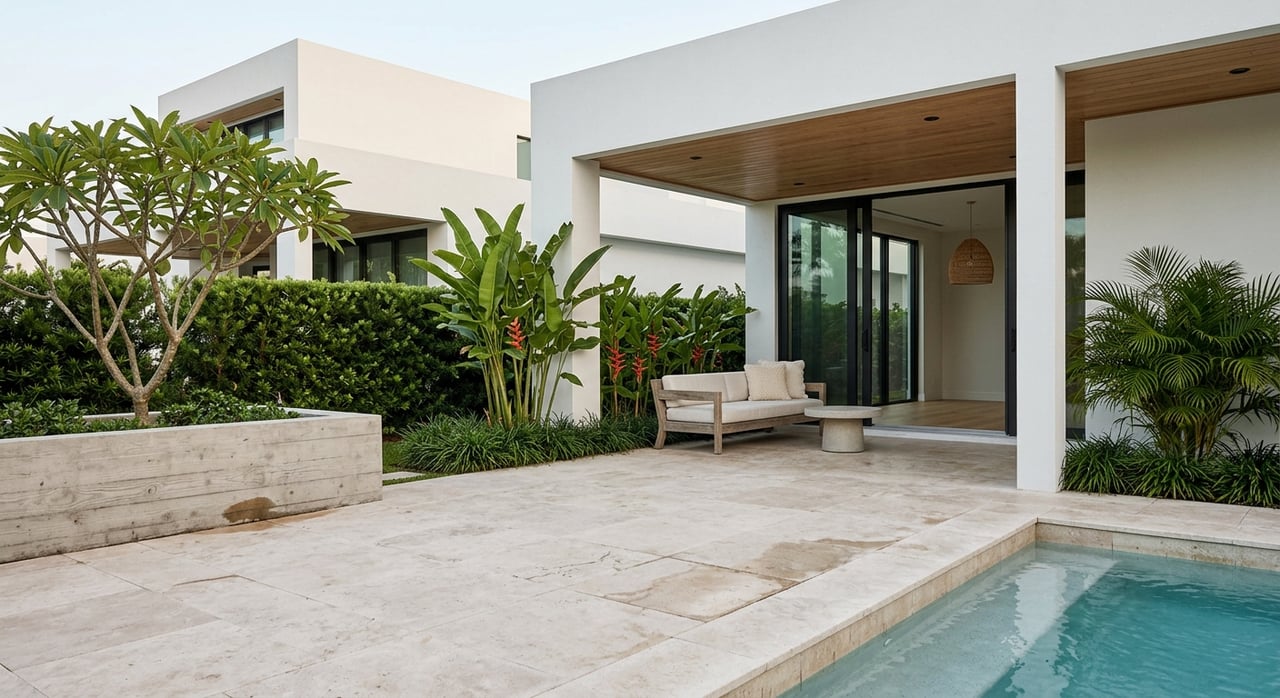
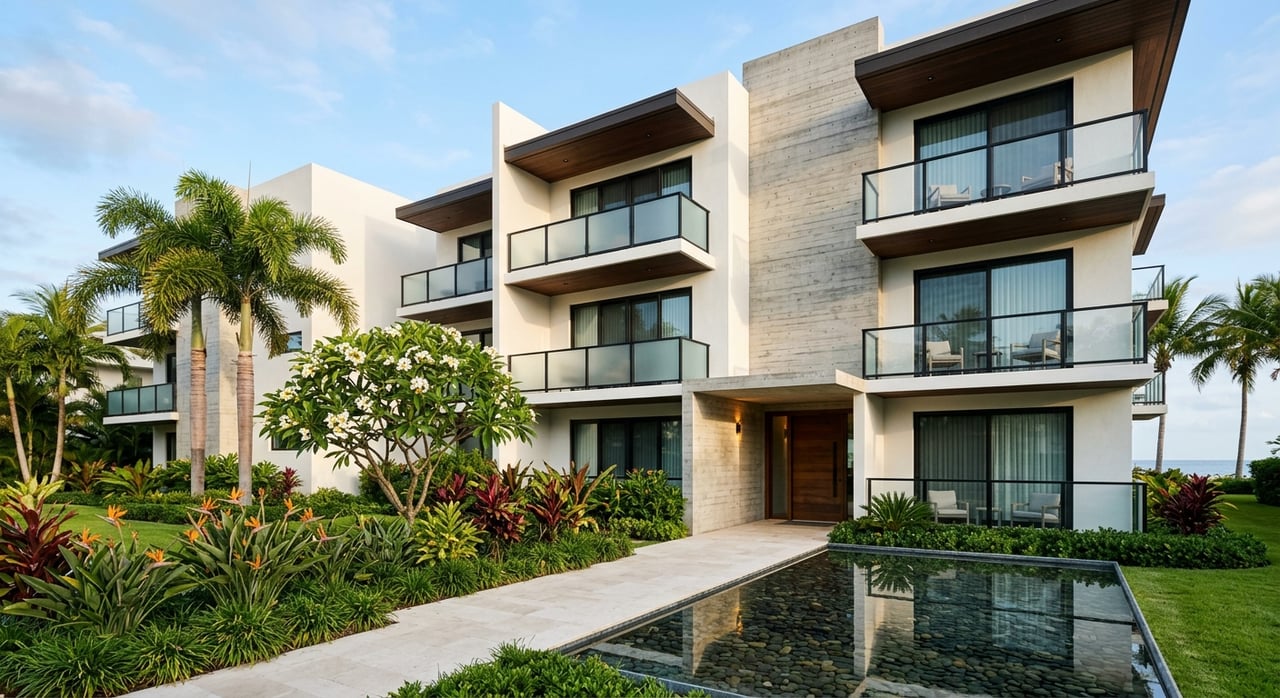
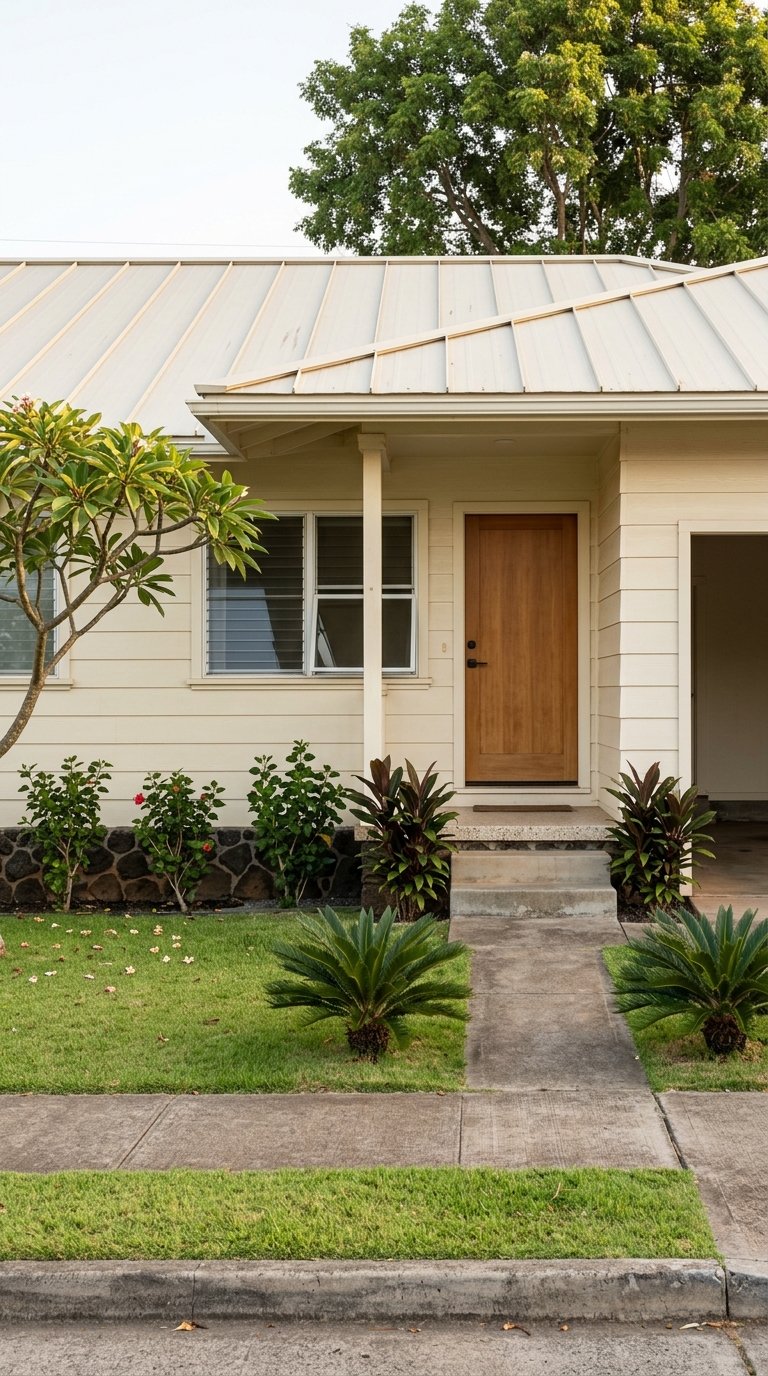
Buying or owning in Āina Haina comes with a unique question: how much do flood zones, insurance costs, and construction choices affect your plans. If you love the valley-to-coast setting near Wailupe Stream and Maunalua Bay, you also want clarity on risk, rules, and smart upgrades. In this guide, you will learn how to check your address, understand mortgage and insurance impacts, and prioritize resilient features that protect value. Let’s dive in.
What is changing on Oʻahu’s flood maps
FEMA completed a major update to Oʻahu’s Flood Insurance Rate Maps. The Letter of Final Determination was issued in December 2025, and the new maps take effect on June 10, 2026. The State reports that more than 3,500 parcels will see changes, and some stream valley and coastal areas in East Honolulu, including parts of Āina Haina, may be newly mapped into higher risk zones.
Why this matters for you: lenders, insurers, and the City use these maps. If your property is newly placed in a Special Flood Hazard Area, it can affect loan requirements, insurance pricing, and permitting for renovations.
How to check your Āina Haina address
Use two official tools to confirm your property’s current and upcoming status:
- Start with the State of Hawaii Flood Hazard Assessment Tool to enter your address or TMK and view the latest panels and layers. The FHAT is the state’s official viewer: Hawaii Flood Hazard Assessment Tool.
- Cross check using FEMA’s Flood Map Service Center to view and download your panel, see zone labels, and review effective dates: FEMA Flood Map Service Center.
When you view the map, note the panel ID, effective date, and zone letter:
- Zone X is generally outside the Special Flood Hazard Area.
- Zones AE or A are riverine high risk. AE usually includes a printed Base Flood Elevation.
- Zone VE is a coastal high hazard area with wave action and stricter standards.
If the map shows your structure in an AE, A, or VE zone, document the panel and any BFE in your sale file and obtain an Elevation Certificate. Ask the seller or HOA if an Elevation Certificate or prior flood policy exists, then verify details with your insurer and lender.
What flood zones mean for your loan and insurance
Mortgage requirements you should expect
If any part of the building that secures a federally backed mortgage lies in a Special Flood Hazard Area, the lender will generally require flood insurance. Servicers must notify you, and if you do not purchase a policy after notice, the lender can force place coverage, which is often more expensive and less flexible. Flood insurance costs can also affect underwriting, so confirm with your lender how they treat premiums in qualification.
NFIP basics and private options
- NFIP policy limits for a one to four family home typically cap at 250,000 for building coverage and 100,000 for contents. Review what is covered and how limits work at FloodSmart, the official NFIP site.
- Pricing under Risk Rating 2.0 uses individual factors such as elevation, distance to water, construction, and prior claims. Two homes in the same zone can have different premiums.
- The NFIP includes an Increased Cost of Compliance benefit, up to about 30,000, to help bring substantially damaged structures up to current standards. Details are available through FloodSmart.
- Private flood insurers may offer higher limits, different deductibles, and added benefits like loss of use. Many lenders will accept private policies that meet or exceed NFIP standards. Compare terms with your agent.
Discounts and timing that matter in 2026
When maps change, transitional “newly mapped” discounts can apply if you act within the eligibility window tied to the June 10, 2026 effective date. Oʻahu also participates in FEMA’s Community Rating System, which currently provides about a 10 percent discount on NFIP premiums for eligible policyholders. Ask your insurer about newly mapped eligibility and how to layer the CRS discount.
Due diligence checklist for buyers and sellers
Before offer or during escrow
- Look up the property in the FHAT and FEMA Map Service Center to confirm the panel, zone, BFE, and effective dates. Save screenshots and panel PDFs for your records.
- Request any Elevation Certificate, prior flood policy declarations, and claims history from the seller or HOA. If not available, plan to order an Elevation Certificate.
- Ask your lender for an early flood zone determination and confirm whether your loan program is federally backed and will require flood insurance.
- If you believe the home will be newly mapped into an SFHA, consider starting an NFIP policy before the maps take effect to pursue newly mapped discounts. Note the typical 30 day NFIP waiting period, with specific exceptions.
Technical steps that can reduce costs or remove the requirement
- Elevation Certificate: Hire a licensed surveyor, engineer, or architect to prepare the FEMA Elevation Certificate. It is essential for accurate rating and any map amendment requests.
- Letter of Map Amendment or Revision: If an Elevation Certificate shows the structure or natural ground above the Base Flood Elevation, you can apply for a LOMA. Submit online through FEMA’s LOMC portal. A successful LOMA can remove the mandatory purchase requirement.
- Permitting and substantial improvements: The City and County of Honolulu applies substantial improvement and damage thresholds. If your project meets the threshold, elevation and specific design standards will apply. Consult DPP early to align plans and timelines.
Resilient home choices that protect value
FEMA’s homeowner retrofit guidance outlines practical measures that can lower risk and often reduce premiums. Explore options through FEMA’s resource hub and discuss applicability with your design team.
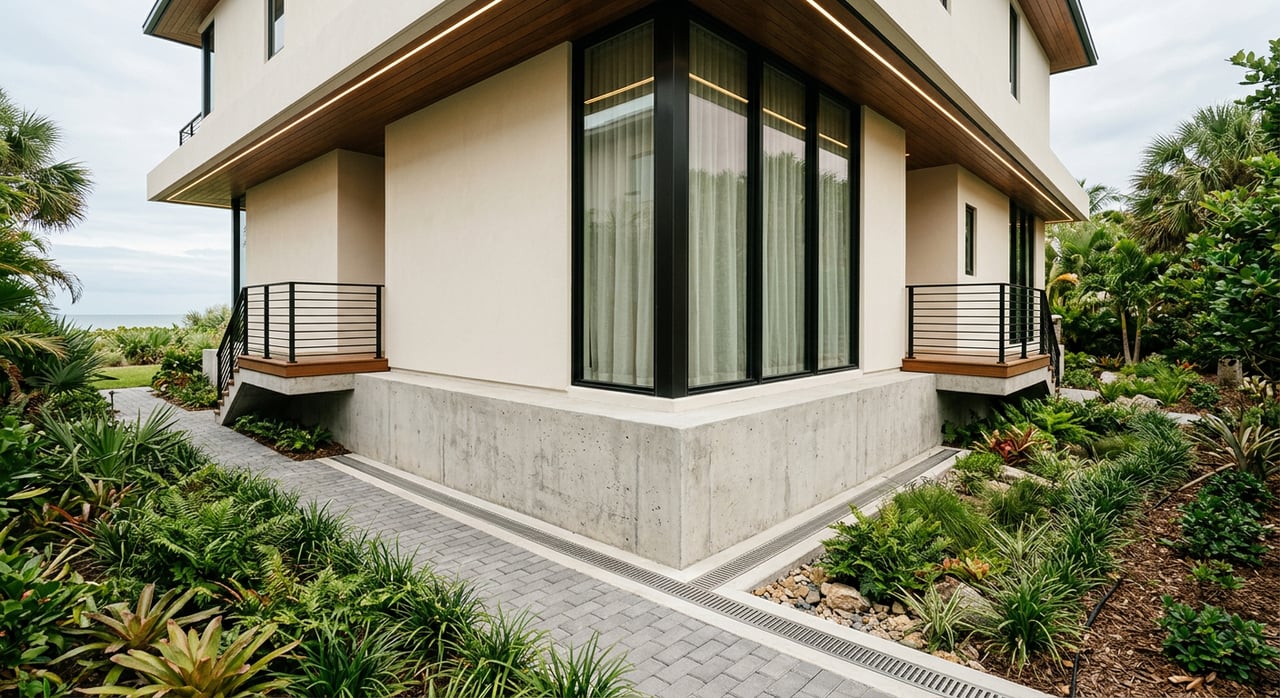
- Elevate the structure or at least elevate the lowest finished floor and major mechanical systems above the Base Flood Elevation plus required freeboard.
- If full elevation is not feasible, relocate or waterproof mechanical systems, use wet floodproofing in lower areas where permitted, and select flood resistant finishes for floors and walls.
- Install engineered flood openings in enclosed foundation areas so water pressure can equalize and reduce structural stress.
- Add backflow prevention on sewer lines and check valves on drains. Improve site grading, downspouts, and consider rain gardens or other nature based retention where allowed.
- For coastal properties, work with professionals who follow coastal construction standards for wave forces and corrosion resistant materials.
Many of these upgrades are relatively modest in cost, such as elevating utilities or adding flood vents, yet they can improve insurability and future marketability. Larger projects like elevating the structure are more expensive but can materially lower risk and premiums over time.
Local context in Āina Haina
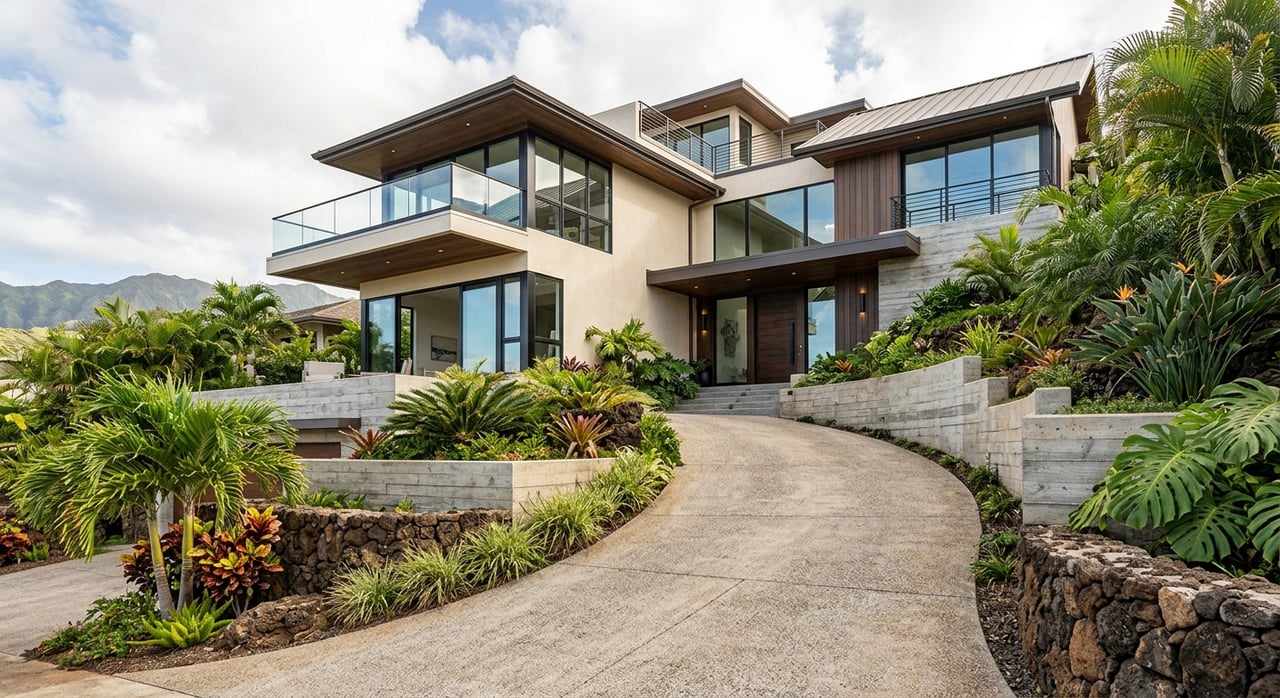
Āina Haina spans hillside, mid valley, and coastal pockets. Hillside homes are often outside mapped Special Flood Hazard Areas, while properties closer to Wailupe Stream and the coastal strip along Kalanianaole Highway near Maunalua Bay have seen stream or coastal flooding in past events. Federal and city partners have acknowledged Wailupe Stream flood risk and have studied mitigation options. Because exposure varies block by block, address level checks are essential.
Plan ahead for the June 10, 2026 effective date
- Check FHAT and the FEMA Map Service Center now and save your findings.
- If newly mapped, ask your insurer about newly mapped discounts and the Oʻahu CRS savings.
- Start quotes early with NFIP and private carriers, since Risk Rating 2.0 is individualized.
- Order an Elevation Certificate if you do not have one. Scheduling professionals can take time.
- If you plan renovations, speak with DPP and your design team about floodplain rules and timelines.
Ready to compare options, estimate total monthly costs, and plan smart upgrades around your goals. For a one on one consult that integrates address level checks, insurance coordination, and a clear purchase or listing plan, connect with Marisa Norfleet.
FAQs
What does an AE or VE zone mean for an Āina Haina home
- AE and VE are Special Flood Hazard Areas, which generally trigger a flood insurance requirement for federally backed mortgages and add specific elevation and design standards in permitting.
How do I confirm if my Āina Haina address changes on June 10, 2026
- Look up your address in the State FHAT and verify the panel, zone, and effective date, then cross check at FEMA’s Flood Map Service Center and save the panel PDFs for your records.
Do all mortgages require flood insurance in Āina Haina
- Flood insurance is generally required when a federally backed loan secures a structure located in a Special Flood Hazard Area, and lenders can force place coverage if you do not buy it after notice.
What are NFIP coverage limits for a single family home in Honolulu
- Typical NFIP caps are 250,000 for building coverage and 100,000 for contents, so consider private or excess flood options if your replacement cost is higher.
How can I lower my flood insurance premium on an Āina Haina home
- Obtain an Elevation Certificate, elevate key systems above BFE, add flood openings, use flood resistant materials, and compare NFIP with private quotes to find the best fit.
What is a Letter of Map Amendment and when should I apply
- A LOMA is FEMA’s process to remove a structure from the SFHA when elevation data shows it is above the BFE, and you apply after obtaining an Elevation Certificate through FEMA’s online LOMC portal.