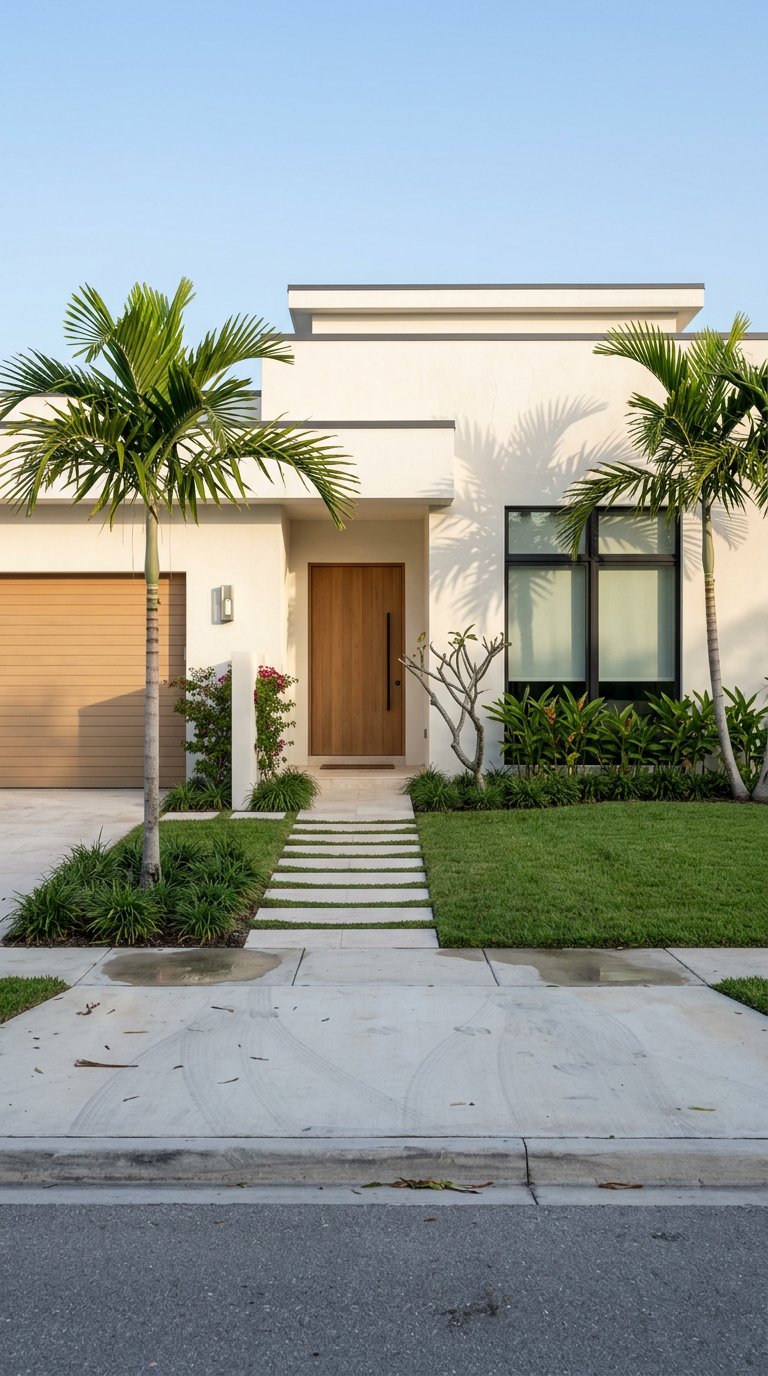
East Honolulu Home Prices and 2026 Timing for Sellers
March 5, 2026
March 5, 2026
Thinking about selling in East Honolulu this year, but unsure if the timing and price are right? You are not alone. With prices shifting by neighborhood and buyer activity improving as rates ease, it pays to work from fresh, local data. In this guide, you will see where prices stand today, how long homes are taking to sell, and a clear framework to decide whether to list now or wait. Let’s dive in.
East Honolulu’s overall market sits in a high but mixed range. Portal snapshots for January 2026 show a median sale price around $1.30 million across East Honolulu, with days on market near 100. This area blends luxury pockets with more mid-market options, so the headline number can move month to month based on a few large sales.
For a zip-level view, 96825, which covers much of Hawaii Kai and nearby neighborhoods, reported a median sale price near $999,000 with average days on market around 91 in December 2025. Active listings were a bit higher than the frenzy years, which gives buyers more choice and sellers more reason to price with precision. The sale-to-list ratio near 96% in the same snapshot points to a more balanced setting than 2021–2022.
Island-wide, the single-family median for 2025 closed near $1,139,000, and active inventory rose versus 2024, signaling a shift toward balance. You can review the Honolulu Board of REALTORS® summary in the December 2025 market report for broader context.
Hawaii Kai’s January 2026 portal readouts show medians in the low seven figures and faster movement for well-prepped mid-market homes. Marina-front single-family properties remain limited and often attract stronger attention. Townhomes and non-waterfront homes compete with a wider set of listings, which makes targeted prep and exact pricing more important.
Aina Haina tends to skew higher in price for single-family homes, with small monthly sample sizes. That means one upper-tier closing can shift the median for the month. Expect more variability in days on market and price outcomes, and plan for a slightly longer runway if your home is unique.
Kahala sits at the luxury end. Sales are infrequent and often large, so averages can be distorted by a single oceanfront closing. If you are considering selling an estate-caliber home, plan for a longer campaign, targeted exposure, and a thoughtful pricing path informed by a multi-month median, not a single outlier.
Mortgage rates improved in early 2026 compared to 2024–2025 highs. The Freddie Mac Primary Mortgage Market Survey showed averages in the low 6 percent range in early February and about 5.98% as of February 26, 2026. You can check the latest weekly averages on the Freddie Mac PMMS.
Lower rates can bring more buyers into the market, which may support spring listings. If you plan to buy after you sell, weigh today’s rate against your budget and proceeds so you avoid surprises.
Use this step-by-step process to decide your timing with clarity.
Start with a current Comparative Market Analysis for the last 90 days in your exact micro-market and property type. Portal snapshots are helpful for context, but your pricing decision should rely on a current MLS-driven CMA. For a quick overview of what a CMA covers, see this Forbes guide to comparative market analysis.
Look at months of inventory, days on market, and sale-to-list ratio where you live. As a rule of thumb, about six months’ supply is often deemed balanced. Less than four months leans toward sellers, while more than six months tilts toward buyers. This framing from industry reporting can help you read your neighborhood trendlines. For a primer on how inventory shapes leverage, see this overview of market balance concepts.
Group your home by price tier and likely buyer set. In much of Hawaii Kai, buyers concentrate around the mid-market. In Aina Haina, many buyers shop at upper-mid price points. In Kahala, you will be marketing to a luxury audience. Each pool has different speed and expectations for marketing.
Model your likely sale proceeds at three levels: current fair value, a 3 to 5 percent concession, and a conservative slower-market outcome. Then layer in your next purchase price and today’s interest rate to see your true move cost. Current averages from the PMMS help you estimate monthly payments.
Local associations and market updates echo this kind of decision tree. For a practical explanation of reading conditions and adapting strategy, review this market overview example.
Data-backed pricing tends to outperform listings that chase the market with multiple reductions. Your CMA and recent absorption rate can guide the best choice.
For mid-market homes, a well-priced, well-staged listing can sell in a measured spring window, with outcomes often near the mid to high 90 percent range of list price depending on micro-market conditions. The island-wide context from the Honolulu Board of REALTORS® supports a more balanced environment than the pandemic period, so preparation and pricing accuracy matter more than trying to spark a bidding war by default.
For luxury and one-of-a-kind properties, expect a longer campaign with tailored outreach and patient positioning. When a single sale can move the neighborhood median, you want multi-month data and a staged plan that builds qualified interest over time.
If you are aiming for spring, work backward from your target list date by four to six weeks. Use that time for light cosmetic work, inspections, repairs, staging, and media. Confirm your CMA two weeks before launch to capture the latest comps and adjust pricing if rates or nearby sales shift. If you must buy after you sell, get pre-approved early so you can move quickly when the right next home appears.
A clean, confident launch usually outperforms a rushed one. With a balanced but active market, the sellers who win are the ones who show up ready.
If you want a data-backed pricing range, a prep plan tailored to Hawaii Kai, Aina Haina, or Kahala, and Compass-level marketing, connect with Marisa Norfleet. You will get clear numbers, a thoughtful timeline, and concierge support from list to close.
Stay up to date on the latest real estate trends.
For personalized assistance with your real estate needs, reach out to Marisa directly. With her deep knowledge of the market and commitment to client satisfaction, she is poised to provide you with the utmost support in navigating your real estate journey.