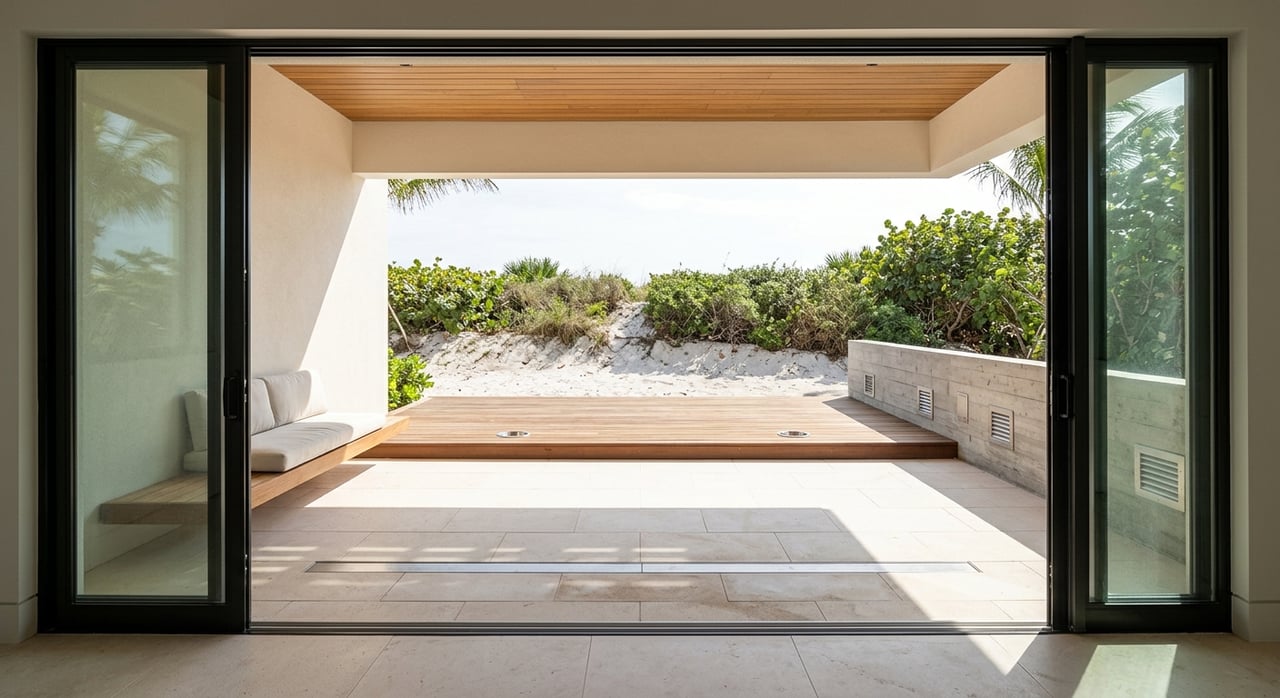
Buying A Beachfront Home In Lanikai: Key Considerations
May 21, 2026
May 21, 2026
Dreaming about waking up steps from the sand in Lanikai? It is easy to focus on the views, the breeze, and the lifestyle. But when you buy a beachfront home here, the real questions often start with shoreline rules, access, erosion, and long-term carrying costs. If you are considering this rare coastal market, knowing what to verify before you write an offer can help you move forward with more clarity and confidence. Let’s dive in.
Lanikai does not behave like a typical neighborhood purchase. The beach is reached through both public and private shoreline access points, and the City and County of Honolulu notes there are no public parking lots, restrooms, showers, or lifeguards along the half-mile beach.
That may sound like a lifestyle detail, but it can affect daily living in a big way. The city’s transportation planning also points to recurring issues with visitor demand, illegal parking, and constrained neighborhood roads.
For you as a buyer, this means owning near the shoreline does not automatically mean easy beach access, easy guest parking, or quiet surroundings. Those are separate due diligence items that should be reviewed carefully, not assumed based on the address alone.
In Hawaiʻi, the certified shoreline is the official surveyed line used to measure shoreline setbacks. It also helps establish the boundary between the State Conservation District and the county Special Management Area, often called the SMA.
This is one of the most important legal and practical issues for a beachfront purchase in Lanikai. A shoreline survey is generally valid for no more than 12 months unless an approved artificial structure fixes the shoreline.
Honolulu’s shoreline setback ordinance ties the setback line to the certified shoreline and coastal erosion rate. The city also states that a later shoreline survey cannot push the setback line farther seaward.
That matters because what can be built, repaired, or replaced near the shoreline may be limited. Within the setback area, the city restricts improvements, and even smaller structures cannot interfere with public access, public views, or open space along the shoreline.
If you are thinking about a remodel, pool, retaining wall, addition, or replacement structure, your first question should be whether the lot already has an official shoreline setback determination. You also want to know whether any existing improvement sits inside the setback area or the SMA.
If the property is in the SMA, the SMA permit is the first permit required for development in that area. That can directly affect your renovation timeline, budget, and design options.
In Lanikai, erosion and sea-level rise are not theoretical talking points. State and city sources identify chronic coastal erosion on Oʻahu and specifically note dune restoration work on the Lanikai side of Kailua Beach Park.
Honolulu, DLNR, and Hawaiʻi Sea Grant are working on sand pushing, geotextile fencing, native planting, and designated pathways to help stabilize the shoreline. That tells you two things at once: the coastline is actively managed, and shoreline conditions can change over time.
Dunes play an important role because they store sand and help protect development and infrastructure from wave impacts. State coastal-management sources also note that shoreline hardening can worsen beach narrowing over time.
For buyers, the takeaway is simple. You should treat shoreline stability, erosion history, and future exposure as core parts of the property analysis, not as side issues.
Some buyers assume they can handle shoreline changes later if needed. In Hawaiʻi, beach nourishment and similar shoreline work are regulated projects, not simple homeowner fixes.
DLNR’s beach-restoration program shows that even small-scale nourishment work falls under permit frameworks. There are categories for limited sand placement, but that does not mean unrestricted private action.
If a property has needed sand pushing, dune work, armoring, or other shoreline measures, that history is worth reviewing closely. It can give you insight into both past conditions and future maintenance realities.
Hawaiʻi treats shoreline public access as a common-law right, and beach transit corridors seaward of the shoreline are public property. DLNR also states that coastal landowners must maintain seaward vegetation so it does not block access.
In other words, beachfront ownership does not eliminate public shoreline rights. If privacy is important to you, it helps to understand exactly how access functions on and around a given property.
The City and County of Honolulu shoreline access map can be helpful, but it is only an approximate inventory of publicly accessible access points. It does not capture every possible entry to the coastline.
That is especially important in Lanikai, where both public and private shoreline access points exist and neighborhood traffic is already a documented issue. Before you move forward, verify whether any path, gate, driveway shoulder, or access route is a recorded easement, public right-of-way, or simply an informal neighborhood practice.
For a beachfront home in Lanikai, financing is not just about interest rates and down payment. Flood zone status, elevation, and lender requirements can materially affect your monthly costs and future plans for the property.
FEMA states that homeowners in Special Flood Hazard Areas with government-backed mortgages must carry flood insurance. It also notes that some lenders may require flood insurance outside the highest-risk zones, and standard homeowners insurance does not cover flood damage.
Honolulu’s shoreline setback rules add another layer. New work in a Special Flood Hazard Area or in the city’s sea-level-rise exposure area must meet elevated floor and flood-resilient design standards.
That means your due diligence should include confirming the structure’s flood map status and any lender overlays before your offer becomes final. A home that looks straightforward at first glance may have very different carrying costs once insurance and underwriting requirements are fully understood.
A Lanikai beachfront purchase deserves a more detailed review than a typical home search. These are some of the most important questions to ask as you evaluate a property.
Buying a beachfront home in Lanikai can be incredibly rewarding, but it calls for careful, informed analysis. The right property is not just about the view. It is also about understanding shoreline certification, setback limits, access rights, erosion conditions, flood requirements, and what future improvements may or may not allow.
This is where local knowledge and detail-oriented guidance matter. When you know which questions to ask early, you can avoid surprises later and make a decision that fits both your lifestyle and your long-term plans.
If you are considering a beachfront purchase in Lanikai and want a thoughtful, data-driven approach to your search, connect with Marisa Norfleet for tailored guidance on East Oahu coastal homes.
Stay up to date on the latest real estate trends.
For personalized assistance with your real estate needs, reach out to Marisa directly. With her deep knowledge of the market and commitment to client satisfaction, she is poised to provide you with the utmost support in navigating your real estate journey.