Year-Round Kailua Hawaii Lifestyle Guide for Residents
February 5, 2026
February 5, 2026
Could you trade city noise for trade winds, turquoise water, and a small-town routine? If you are weighing a move to Kailua, you are not alone. Many people fall for its beaches, outdoor lifestyle, and relaxed pace, then start asking what day-to-day life really looks like year round. In this guide, you will see how the climate, commute, housing, schools, and community culture fit together so you can plan with confidence. Let’s dive in.
Kailua sits on Oʻahu’s Windward side, just across the Koʻolau Range from Honolulu. You get a residential, laid-back feel with quick access to beaches and trails. The town blends longtime kamaʻāina and newcomers from the Mainland, with a shared emphasis on outdoor living and local businesses. Expect a quieter rhythm than urban Honolulu, with visitor activity strongest near the beaches on weekends and holidays.
Kailua has warm temperatures all year and steady northeast trade winds. Summers feel warm and humid, while winters are a touch cooler with more frequent showers. The Windward side is greener and wetter than leeward Honolulu, so you can expect quick morning showers and lush landscaping. Plan for coastal realities like salt-air corrosion, termites, and occasional flood or storm preparation.
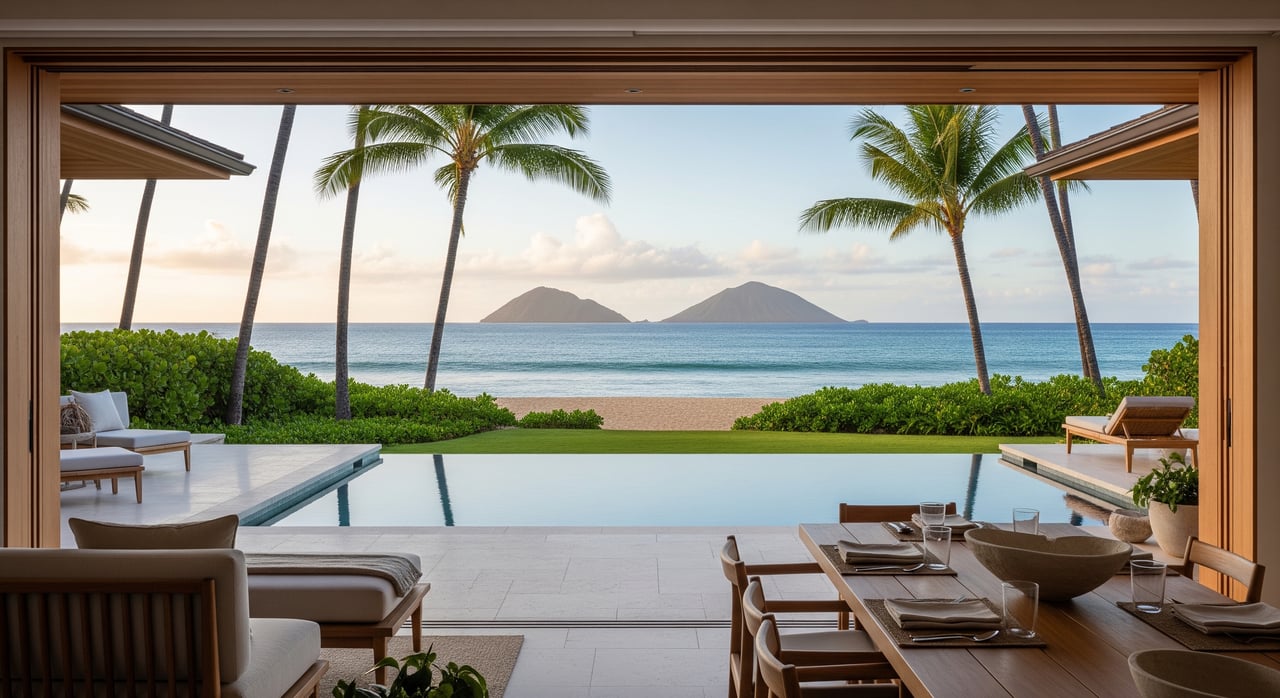
Kailua Beach Park and nearby Lanikai Beach are everyday favorites. You can swim in protected waters, paddle or kayak toward the Mokulua islets, and enjoy consistent wind for kitesurfing and windsurfing. Calm mornings are popular for stand-up paddleboarding and family beach time.
Short hikes like the Lanikai pillbox (Kaʻōhao Ridge) offer big views for modest effort. Broader Windward trails and local parks make it easy to mix in walking, jogging, youth sports, and dog outings. Park permits, rules, and schedules come from the City and County of Honolulu, so check specifics before planning group events.
Island life invites daily time in the ocean. Learn local conditions, respect currents and wind, and follow posted guidance. Many residents join beach cleanups and watershed efforts to malama ʻāina and keep Kailua’s shoreline healthy.
Kailua Town gives you a practical mix of cafes, independent shops, and services. You will find small groceries and essentials close at hand, with larger stores available across Windward Oʻahu or in Honolulu when you want broader selection. Farmers markets and local food vendors are part of the weekly rhythm. Schedules change, so confirm times before you go.
Public K–12 schools in Kailua are part of the statewide Hawaii Department of Education. Families typically enroll in nearby elementary, intermediate, and high schools that serve the Windward area. Private schools, preschools, and charter programs exist on Oʻahu, but availability and waitlists can vary. When planning, map commute needs, confirm enrollment zones, and ask about after-school options and program capacity.
Kailua has clinics and a hospital campus that serves the Windward community for routine and emergency care. For specialized needs, residents often travel to Honolulu medical centers. It is common to maintain a primary care relationship close to home and schedule specialty appointments in town when needed.
Many residents commute over the Koʻolau Range to Honolulu. Drive time depends on your route and the clock.
Primary connections include the Pali Highway and Likelike Highway. Kalanianaʻole Highway links you along the southeastern shore, and H-3 provides a faster but more limited interior option. Outside peak hours, a drive to central Honolulu can take roughly 25 to 40 minutes. Rush hour often extends travel times, so plan buffers for school drop-offs and early meetings.
TheBus serves Windward neighborhoods, including routes designed for commuters. Door-to-door transit times are usually longer than driving, but some riders prefer the predictability. Within Kailua, many trips are bikeable or e-bike friendly, especially around the town center and coastal sections. Park-and-ride and carpool options help reduce parking hassles in Honolulu.
Daniel K. Inouye International Airport is the island’s main gateway. Depending on traffic, Kailua residents commonly plan 30 to 60 minutes for airport trips. Inter-island flights make neighbor island travel a practical part of life.
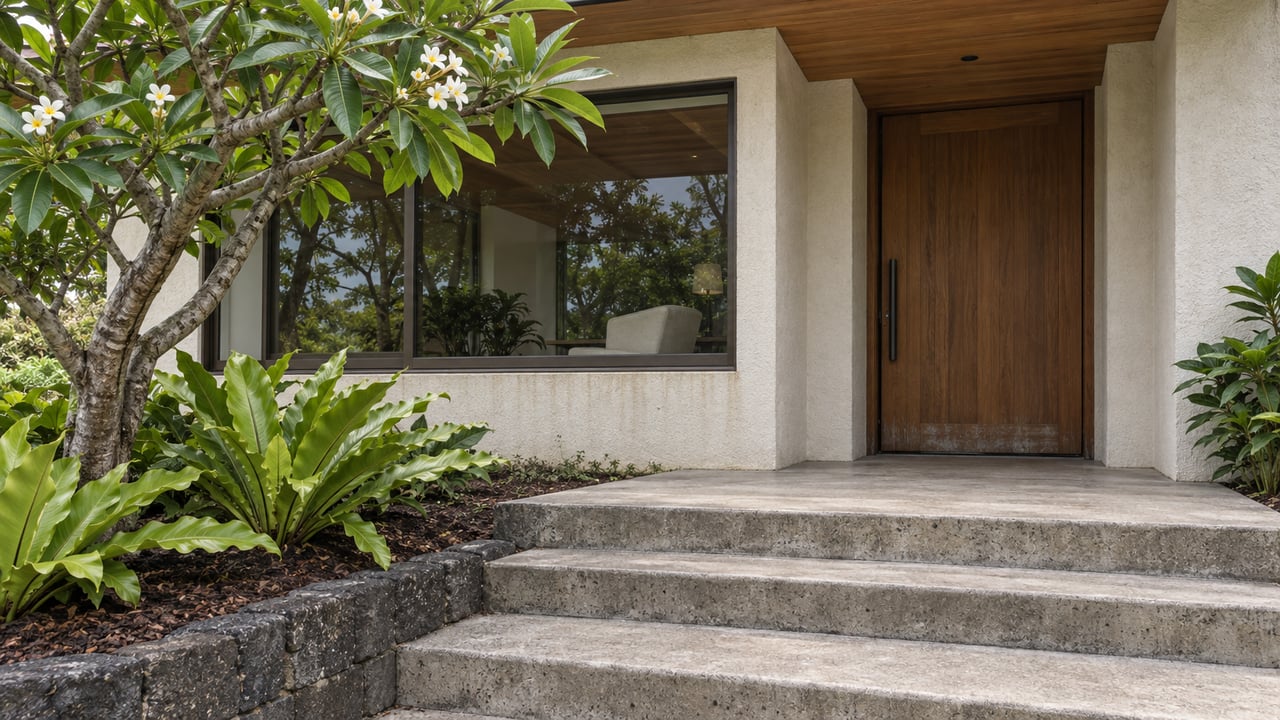
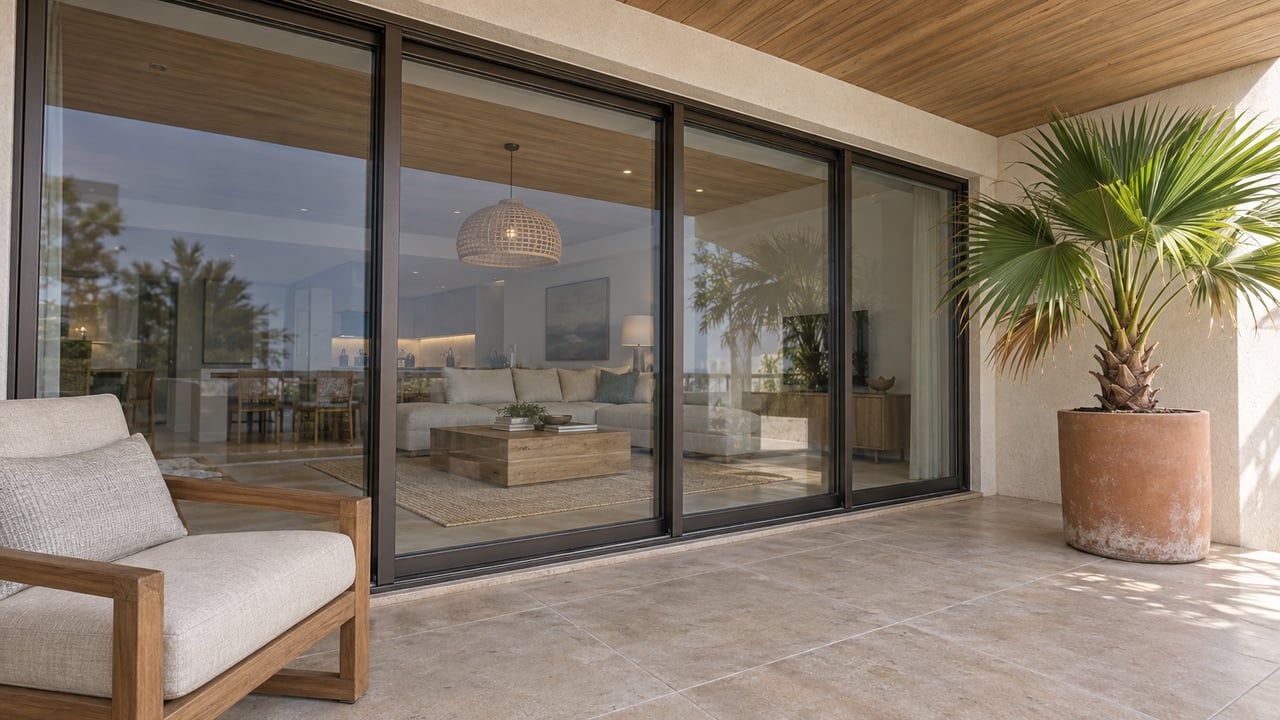
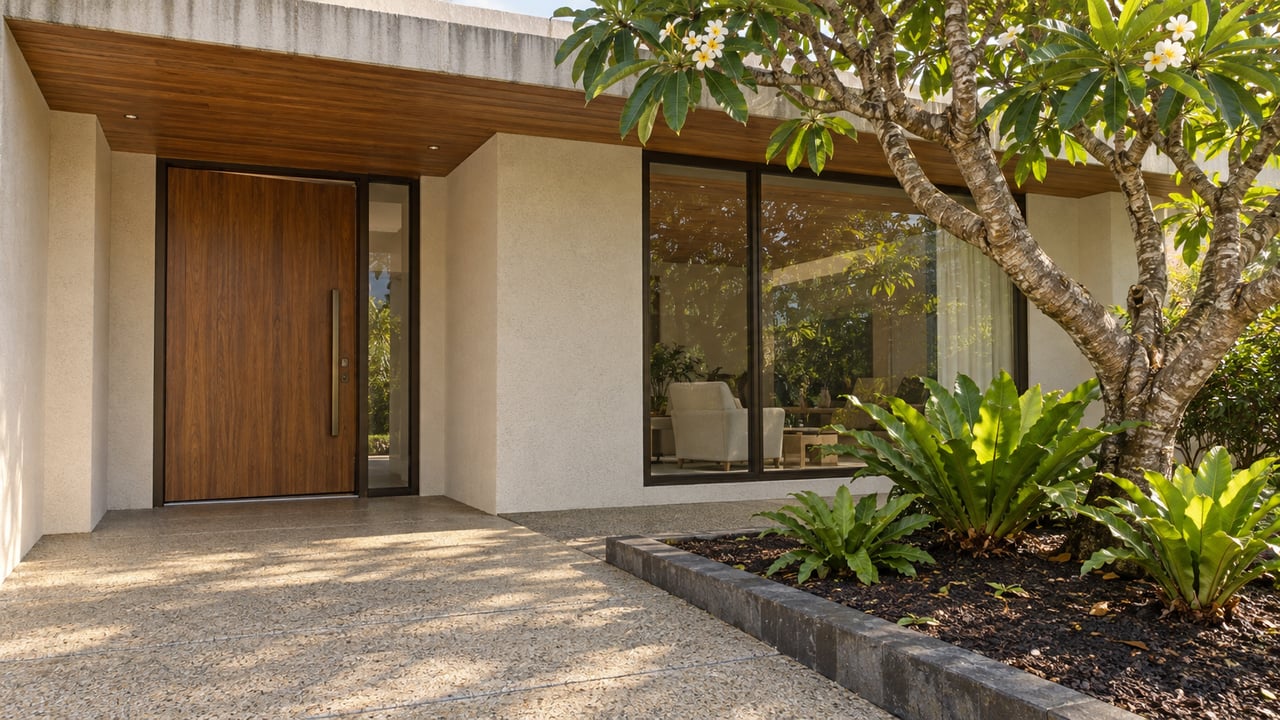
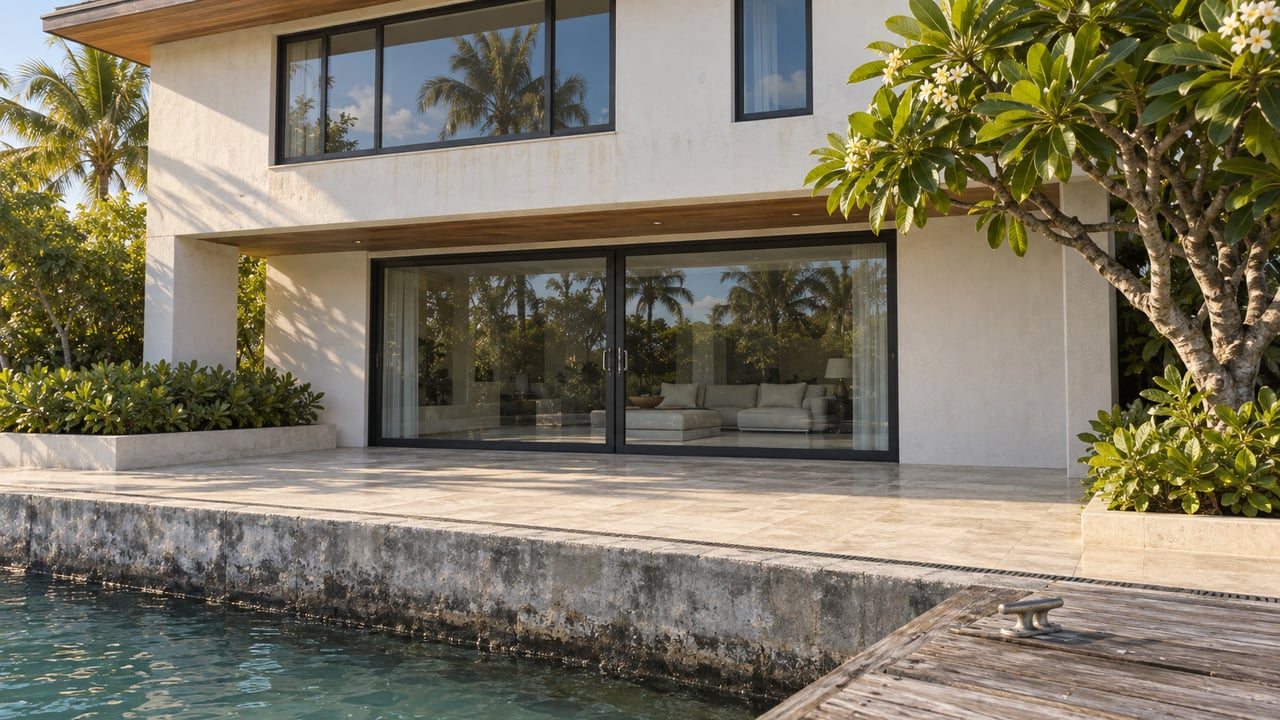
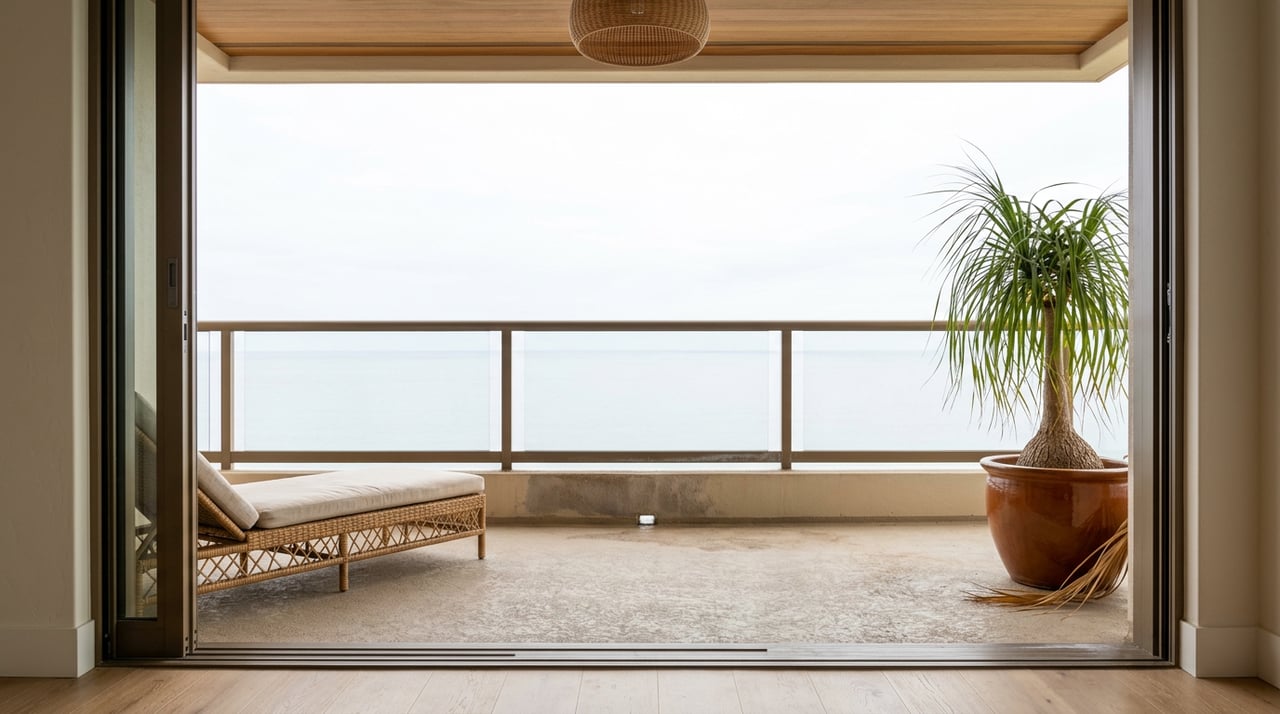
Kailua’s housing stock features single-family homes ranging from postwar cottages to mid-century designs and newer rebuilds. You will also find duplexes, small multifamily properties, and a limited number of condos and townhomes. Lanikai and beachfront pockets are premium segments with small-lot oceanfront and near-ocean properties. Many homes lean into outdoor living with lanais and open-air layouts.
Coastal conditions shape ownership. Budget for roof and exterior upkeep, salt-air corrosion prevention, and termite treatments. Utilities tend to run higher than many Mainland markets, especially electricity. Review wind or hurricane, flood, and liability coverage options and understand how local policies differ from Mainland plans.
Inventory ebbs and flows, and prices on Oʻahu sit above national averages. Families often prefer buying for stability and access to larger homes near beaches and schools. Renting can offer flexibility while you learn the area. Expect trade-offs between size, location, and budget.
Oʻahu restricts short-term vacation rentals outside resort-zoned areas. Permits and zoning rules matter, and fines for unpermitted rentals can be significant. If you are considering rental income, long-term leasing is often the more realistic path in residential neighborhoods.
Car ownership is common, though some streets have tight parking and enforcement of rules. If you work in Honolulu, plan for fuel, toll-free but frequent tunnel drives, and routine maintenance for island conditions. If remote work is part of your plan, confirm fiber or high-speed cable availability at the specific address.
Kailua’s culture values community, respect for place, and supporting local businesses. You will see this in beach stewardship, youth sports, and neighborhood boards. Visitor numbers rise on sunny weekends and holidays, so expect heavier beach parking during those windows. Learn pronunciations for local place names, be mindful on residential streets, and join volunteer efforts when you can.
Island moves have extra steps. Build in lead time and confirm logistics early.
If you want daily access to world-class beaches, a green and breezy climate, and a community-forward lifestyle, Kailua offers a compelling fit. The trade-offs are real too. Commute windows can be long, housing is competitive, and coastal maintenance requires planning. With the right preparation, you can enjoy the best of Windward living while managing the practical details.
Ready to explore homes, rentals, or a relocation plan that fits your goals? Connect with Marisa Norfleet for concierge guidance across Kailua and East Oʻahu.
Stay up to date on the latest real estate trends.


For personalized assistance with your real estate needs, reach out to Marisa directly. With her deep knowledge of the market and commitment to client satisfaction, she is poised to provide you with the utmost support in navigating your real estate journey.