Understanding Hawaii Kai AOAO Fees for Condo Buyers
November 21, 2025
November 21, 2025
Are you comparing Hawaii Kai condos and wondering why monthly AOAO fees can differ by hundreds of dollars? You are not alone. In a waterfront community like Hawaii Kai, what you pay depends on location, amenities, building systems, and how well the association manages its budget. In this guide, you will learn what AOAO fees typically cover, how marina-front and ridge properties differ, and how to read an association’s finances so you can budget with confidence. Let’s dive in.
AOAO fees, also called maintenance fees or dues, fund the condominium association’s operating and long-term needs under Hawaii’s condo law. The exact line items vary by project. Hawaii’s condominium rules under HRS Chapter 514B outline association responsibilities, and the Hawaii DCCA condo resources explain owner rights and insurance basics.
Most of your monthly payment supports day-to-day operations. Typical items include management and bookkeeping, utilities for common areas, janitorial and trash, landscaping and irrigation, routine maintenance, and security if provided. The master insurance policy for common elements is usually part of the operating budget.
A portion of fees should fund reserves for big-ticket items. These include roofs, exterior painting, elevators, HVAC systems, parking structures, paving, and in some Hawaii Kai projects, seawalls and docks. Proper reserve funding helps avoid surprise special assessments.
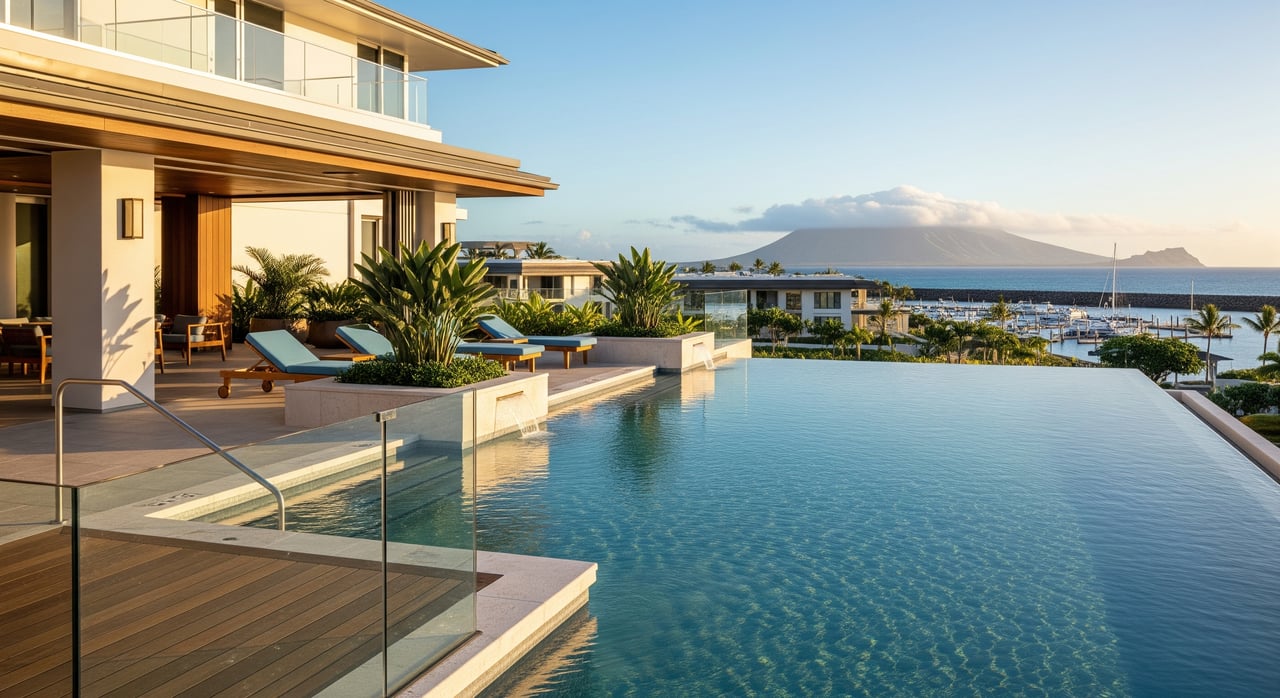
Pools, hot tubs, gyms, tennis courts, BBQ areas, clubrooms, guest suites, and marina operations can all be covered by AOAO fees. Associations with more amenities often have higher monthly costs to maintain them.
Many Hawaii Kai associations include some utilities, often water, sewer, and trash. Some also negotiate bulk cable or internet. A few projects include hot water or central air. In every case, review the budget to confirm what is covered. Associations carry a master policy for the building, and owners typically carry HO-6 insurance for interiors and personal contents. The DCCA’s condo guidance explains how master and unit policies work together.
Hawaii Kai includes both marina-front and ridge-side condos. Exposure to salt air, flood risk, and the type of infrastructure on site all affect cost.
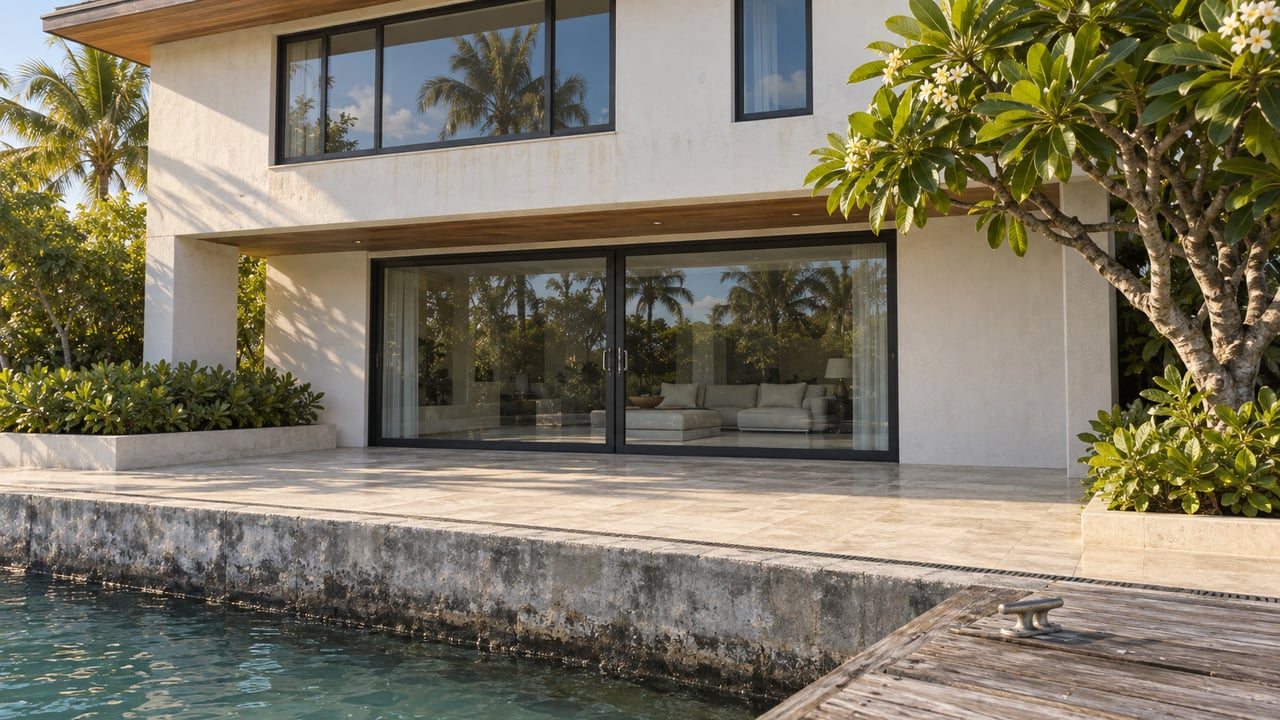
Waterfront buildings often face higher and less predictable costs. Associations may maintain seawalls, docks, and marina utilities. Salt air accelerates corrosion of metal, railings, HVAC equipment, and finishes, which can shorten replacement cycles. Waterfront properties may carry higher insurance costs and deductibles due to flood or wind exposure. You can explore long-term coastal risk using the NOAA Sea Level Rise Viewer and review current flood zones through the FEMA Flood Map Service Center. Coastal projects may also have added regulatory and permitting costs for marine or shoreline work.
Ridge communities can have different cost drivers. Associations may maintain more roadways, driveways, drainage systems, slopes, and retaining walls. These elements require ongoing attention and eventual replacement. Elevation can reduce exposure to flood risk and salt spray, although wind and hillside drainage still need management.
Older buildings often need larger reserves to fund major components on a shorter timeline. Complexes with central hot water or cooling systems have more equipment to run and replace. Larger communities can spread fixed costs across more owners, which may lower per-unit fees. High-amenity buildings with pools, gyms, and full-time security tend to carry higher monthly dues.
Strong association finances support stable fees and fewer surprises. The items below help you evaluate risk before you buy.
A professional reserve study estimates the life cycle and replacement costs of major components, then recommends a funding plan. Request the latest study and compare recommended contributions to what the association is actually paying. The Community Associations Institute provides helpful education on how reserve studies work and why they matter.
Ask for the current budget and the last two or three years of financial statements. Look for consistent reserve contributions and avoid associations that dip into reserves to cover routine operations. Track patterns in utilities and insurance lines, and note frequent legal expenses or management turnover.
Confirm what the master insurance policy covers and where deductibles sit. In flood-prone areas, check whether additional flood coverage is in place. Policies with very high wind or flood deductibles can shift more risk to owners. The Hawaii DCCA condo resources and the FEMA Flood Map Service Center are good places to start.
High owner delinquency rates reduce cash flow and can signal future fee increases. Ask for a delinquency report, a litigation summary, and recent board minutes. Stable management and transparent reporting are signs of a healthy association that follows its reserve plan.
Use this list to request documents and guide your review.
Key questions to ask the manager or board:
Quick indicators when you review:
AOAO fees tell a story about lifestyle, maintenance, and risk. When you understand what they cover and how to evaluate the numbers, you can choose a condo that fits your budget and your goals. If you want help comparing projects, reviewing association documents, or coordinating experts for marina or building systems, reach out. You will get finance-savvy guidance and attentive service from search to closing.
Ready to explore Hawaii Kai with a clear plan? Connect with Marisa Norfleet to start your condo search with confidence.
Stay up to date on the latest real estate trends.


For personalized assistance with your real estate needs, reach out to Marisa directly. With her deep knowledge of the market and commitment to client satisfaction, she is poised to provide you with the utmost support in navigating your real estate journey.