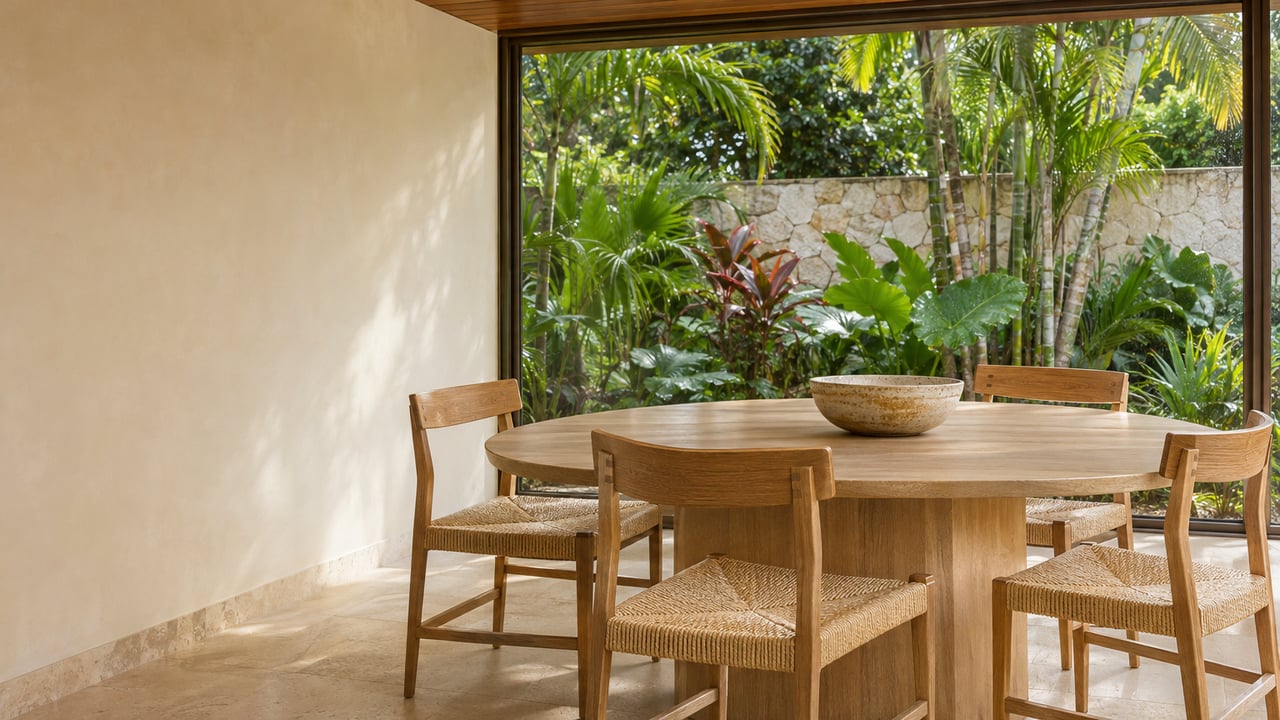
A Kahala Home Closing This Month Can Keep Its Higher Tax Rate Into 2028
November 12, 2026
Honolulu's Real Property Assessment Division answers one question about this problem on its own FAQ page. It describes a buyer who recorded a purchase on November 3, 2024, moved in, and filed for a home exemption the same day. Then it asks why the property is "still in the Residential A class without a home exemption and required to pay higher taxes than I expected?"
RPAD's answer is short. The recording came after the September 30 deadline, so the property "will remain in the Residential A class for the current tax year and the upcoming tax year." In most of Oahu that is a minor surprise. In Kahala it can be one of the largest recurring costs of owning the home, because the typical sale price is well above the Residential A threshold. For someone closing in Kahala this month, the recording date relative to September 30 can shape the next two tax bills as much as the purchase price does.
Honolulu sets a property's class as of October 1, the assessment date. To get a home exemption for a given tax year, an owner has to own and occupy the home as a principal residence by then, record ownership by September 30, and file the claim by September 30 before that tax year starts. Tax years run July 1 to June 30.
An exemption also stays with the seller. RPAD says an existing exemption "will not transfer to you," and a buyer "may be 'grandfathered' into the existing home exemption for the current tax year if it is still in effect" before filing a new claim for the following year. Under ROH § 8-10.1, a change in ownership has to be reported within 30 days, and that report voids the existing claim.
Here is how RPAD's deadline rules play out for a Kahala home that records in November 2026 and has no exemption to carry over:
| Tax year | Dates | Exemption deadline | Status for a November 2026 closer |
|---|---|---|---|
| 2026–27 | July 1, 2026 to June 30, 2027 | September 30, 2025 | Seller's exemption only if still in effect |
| 2027–28 | July 1, 2027 to June 30, 2028 | September 30, 2026 | Missed by a few weeks |
| 2028–29 | July 1, 2028 to June 30, 2029 | September 30, 2027 | First year a new claim can apply, if approved |
Approval is announced on the Notice of Assessment, which RPAD issues by December 15 before each tax year. A November 2026 buyer would learn about their claim on the notice issued in December 2027.
The Residential A threshold is the reason this matters more in Kahala than in most places. For fiscal year 2026–27, the City Council's Resolution 26-62 set these rates:
Residential A covers single-family homes assessed at $1 million or more that do not have a home exemption. In September 2026, the Honolulu Board of REALTORS recorded nine single-family sales in its Waialae–Kahala market area, with a median price of $2,632,700. The Oahu-wide single-family median in October 2026 was $1,150,000. So a home at the Oahu median sits just above the threshold, while a home near the Kahala-area median has more than $1.6 million of value taxed at the Tier 2 rate.
Using the current rates, consider a hypothetical home assessed at $2.7 million. Assessed value is not the same as sale price, but this is close to the area median.
| FY 2026–27 illustration | Class | Calculation | Annual tax |
|---|---|---|---|
| With a $120,000 home exemption | Residential | $2,580,000 × $3.50 per $1,000 | $9,030 |
| Without an exemption | Residential A | $4,000 on the first $1M, plus $1,700,000 × $11.40 per $1,000 | $23,380 |
That is a difference of $14,350 for one year on one house. A buyer who closes a few weeks after September 30 may pay the higher rate for close to two years before a new exemption can apply.
The second tax year in that gap falls under new rules. Ordinance 25-44, which started as Bill 34 (2024), CD1, introduced by Councilmember Esther Kiaʻāina, passed third reading on October 1, 2025, with eight ayes and one member absent. It applies to tax years beginning July 1, 2027, and makes two changes.
Across most of Oahu, the higher threshold mainly takes homes near $1 million out of Residential A. In Kahala, a home near the area median stays in the class, and the oceanfront estates move into the new top tier. In October 2026, Pacific Business News reported that a Kahala Avenue oceanfront estate sold for $36 million. The six-bedroom home sits on 1.3 acres with 171 feet of ocean frontage and was listed in April 2025 for $45 million. If a property like that has no home exemption, most of its taxable value would fall into Tier 3.
The Council sets the dollar rate for each tier every year. Under Section 8-11.1, rates are adopted by resolution at the same meeting where the budget bills pass third reading. For 2026, Resolution 26-62 was adopted on June 3. Anyone closing on a high-end Kahala home this winter without an exemption will owe a 2027–28 bill at a top-tier rate that is set in the spring.
The exemption also grows that same year. Starting July 1, 2027, it rises to $140,000, or $180,000 for owners 65 and older, under Ordinances 25-43 and 25-42. For a Kahala owner whose claim is in place, the July 2027 changes lower the bill. For an owner without one, they create a higher top bracket.
RPAD encourages buyers, and their Realtors, to check whether a home is vacant or rented and whether it has an active home exemption. It specifically mentions sales near the September 30 deadline and properties above the Residential A threshold. RPAD's guidance touches several points in a Kahala purchase:
All of this is general information, not legal, tax, or financial advice. How these rules apply to a specific property is a question for RPAD and a qualified tax professional.
Under § 8-10.1, if a qualifying change happens in the 12 months ending September 30 before a tax year and isn't reported by the following November 1, the owner can be charged a $300 penalty, repeated every year the change stays unreported. Sellers have a reason to report the sale promptly too.
RPAD issues Notices of Assessment by December 15. Its usual appeal window runs from December 15 to January 15, so the 2027 notice arrives a few weeks after this post publishes. RPAD's example notes that a new owner can still file a timely appeal of the notice.
No. Civil Beat reported that Bill 46 (2024), which would have put homes vacant at least six months a year in a new tax category, never got a final vote. The bill was filed on August 1, 2026, under the Council's two-year rule for pending bills.
Yes. RPAD extends it to the next business day that is not a Saturday, Sunday, or legal holiday.
If you are pricing a Kahala purchase or sale this winter, Marisa Norfleet can check the property's exemption status against your target recording date and build the expected tax difference into your offer or counteroffer before escrow opens. Let's Connect.
Stay up to date on the latest real estate trends.


For personalized assistance with your real estate needs, reach out to Marisa directly. With her deep knowledge of the market and commitment to client satisfaction, she is poised to provide you with the utmost support in navigating your real estate journey.